How to Build a Sustainable Wardrobe in Australia
Why Building a Sustainable Wardrobe Matters
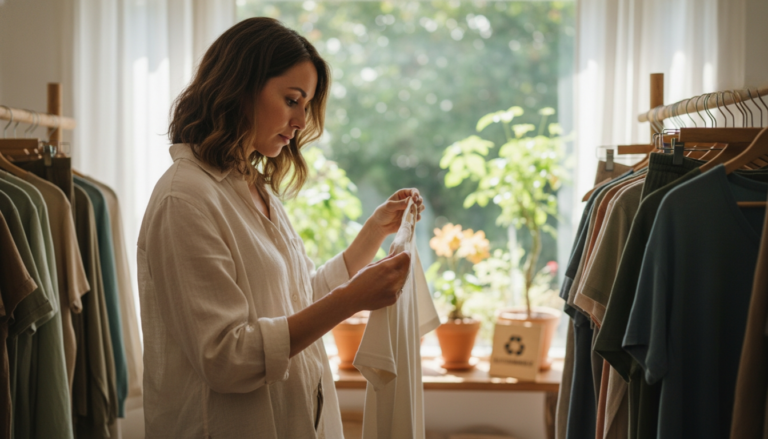
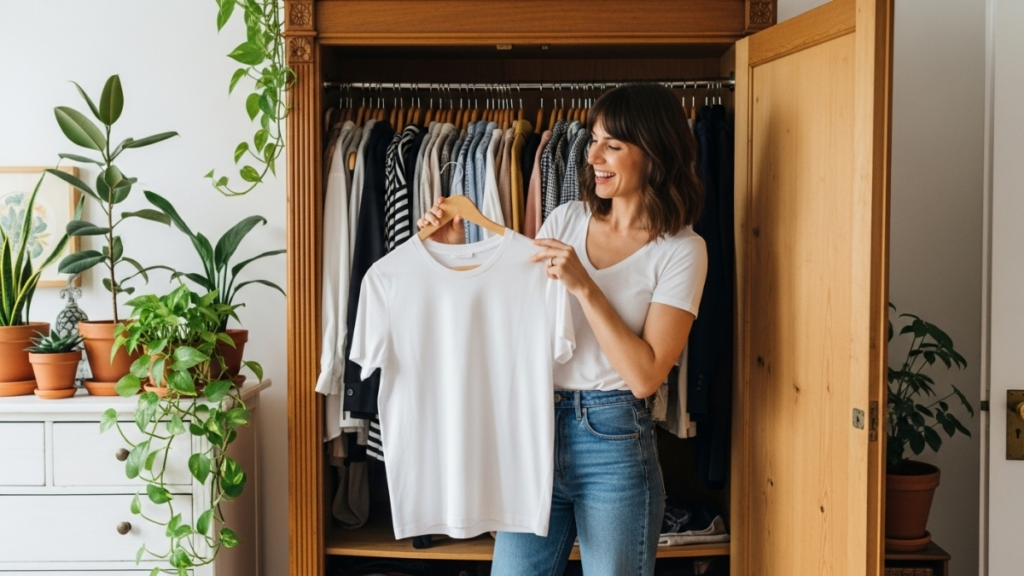
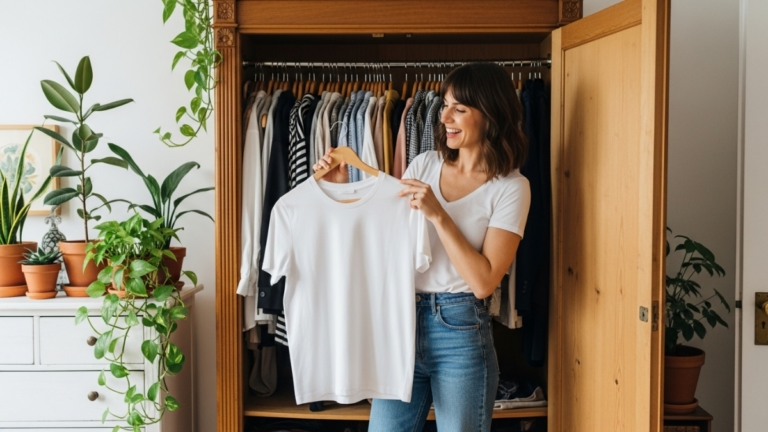
A sustainable wardrobe is built around longevity, versatility, and wearing clothing more intentionally.
Rather than constantly cycling through trend-driven purchases, the focus shifts toward clothing that can be worn repeatedly across seasons, styled easily, and kept for longer.
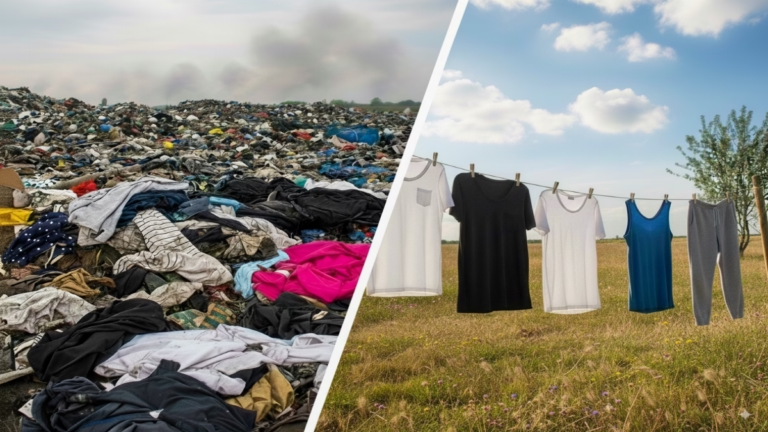
This matters increasingly in Australia, where more than 200,000 tonnes of clothing are sent to landfill each year as fast-fashion consumption continues to rise.
Building a more sustainable wardrobe does not require replacing everything at once. In most cases, it begins gradually through better purchasing decisions, fewer unnecessary purchases, and a stronger focus on long-term wear.
Start with Everyday Essentials
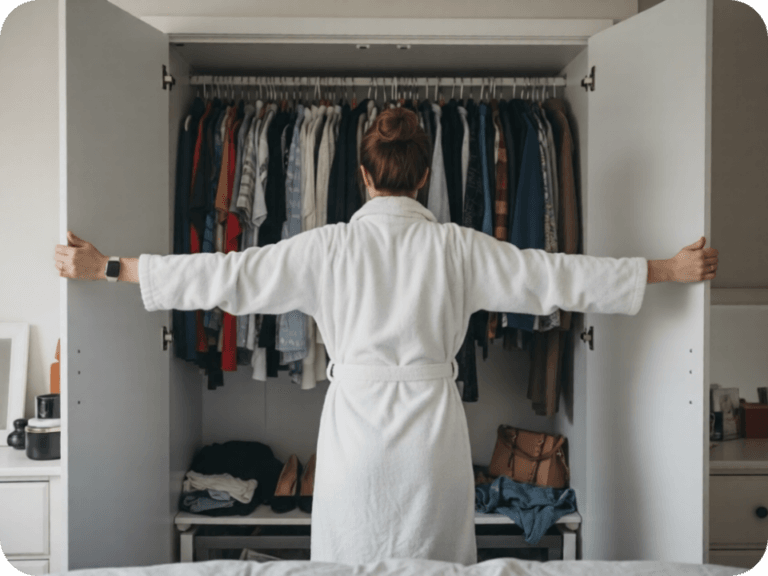
The clothing worn most often usually has the biggest impact on both wardrobe function and long-term value.
Instead of focusing on statement pieces or seasonal trends, sustainable wardrobes are often built around reliable basics that work across multiple outfits and situations.
Essentials designed for repeat wear naturally reduce replacement frequency while creating a more versatile wardrobe overall.
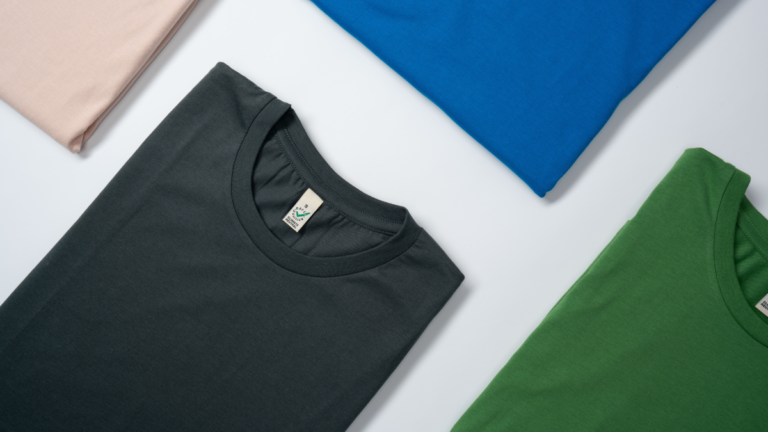
Organic cotton has become increasingly common within sustainable fashion in Australia because it avoids many of the chemical-intensive processes associated with conventional cotton production while remaining breathable, durable, and well suited to Australia’s climate.
Certified standards such as GOTS are also helping establish clearer expectations around environmental and social responsibility within textile production.
Strong sustainable wardrobes are often built around comfortable, repeat-wear essentials rather than large numbers of trend-focused pieces.
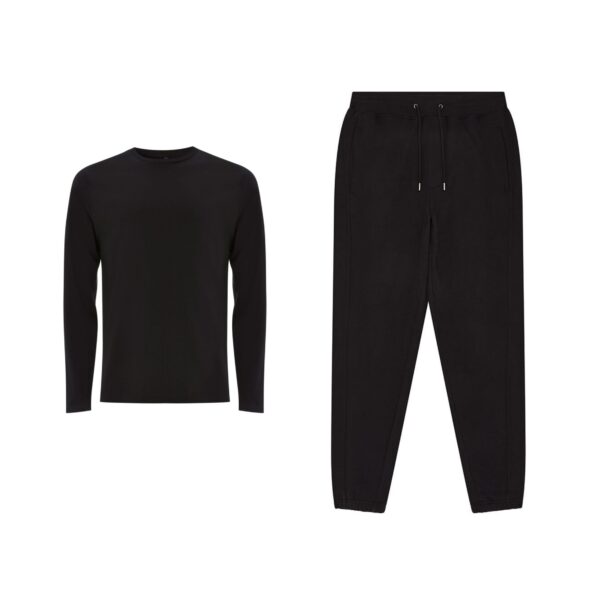
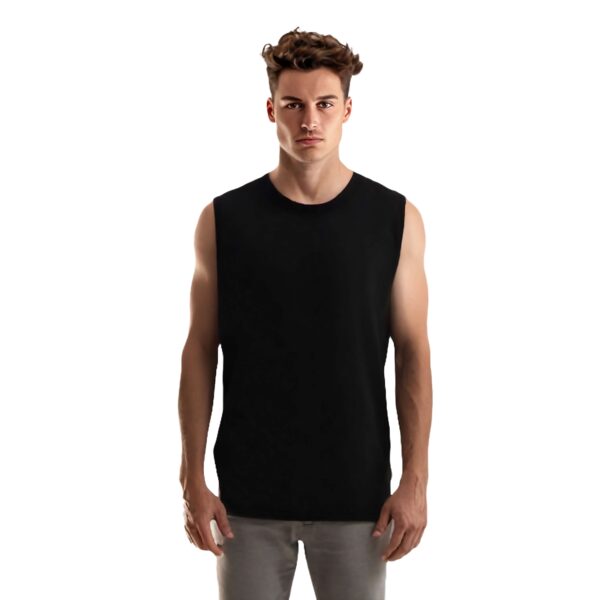
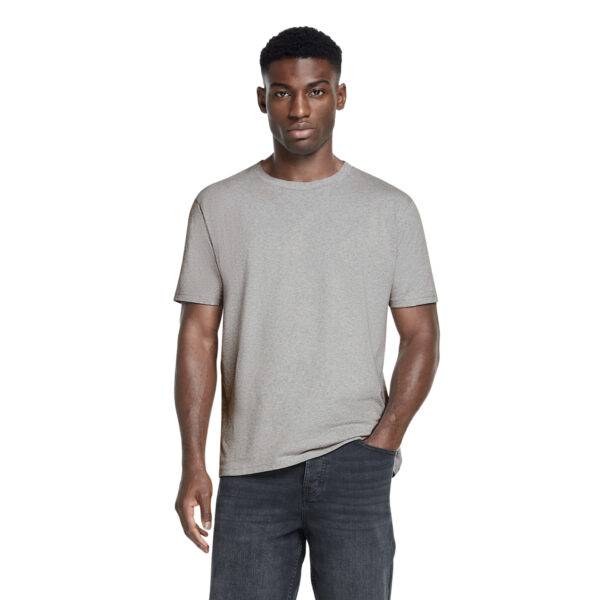
Reliable basics such as a Classic Jersey T-shirt, versatile Rolled Sleeve T-shirts, durable Long Sleeve Tees, and comfortable Organic Sweatpants tend to provide more long-term flexibility because they can be worn repeatedly across different outfits, seasons, and situations.
For people looking to simplify wardrobe building further, organic cotton clothing bundles and matching sets can also help reduce unnecessary purchasing while creating more versatile outfit combinations from fewer pieces.
These types of basics create flexibility without requiring a large wardrobe.
The broader shift toward organic cotton within Australian fashion is explored further in Why Organic Cotton Clothing is the Future of Australian Fashion.
Choose Versatility Over Trend Cycles
One of the largest contributors to clothing waste is short-term trend consumption.
Micro-trends encourage constant purchasing cycles, while many garments are discarded long before they are physically worn out.
A more sustainable wardrobe prioritises clothing that remains wearable beyond a single season. Neutral colours, adaptable fits, and timeless silhouettes generally provide greater long-term use than highly trend-driven pieces.
Before purchasing something new, it can help to consider how often it will realistically be worn over time.
This thinking closely aligns with cost-per-wear principles, where value is measured through longevity and repeated use rather than upfront price alone.
Versatile wardrobes also tend to reduce overall clothing spend by lowering replacement frequency and impulse purchasing.
Prioritise Natural Fibres
Material choice plays a major role in how sustainable a wardrobe actually becomes.
Natural fibres are often preferred because they are breathable, durable, and biodegradable at end of life compared to many petroleum-based synthetic fabrics.
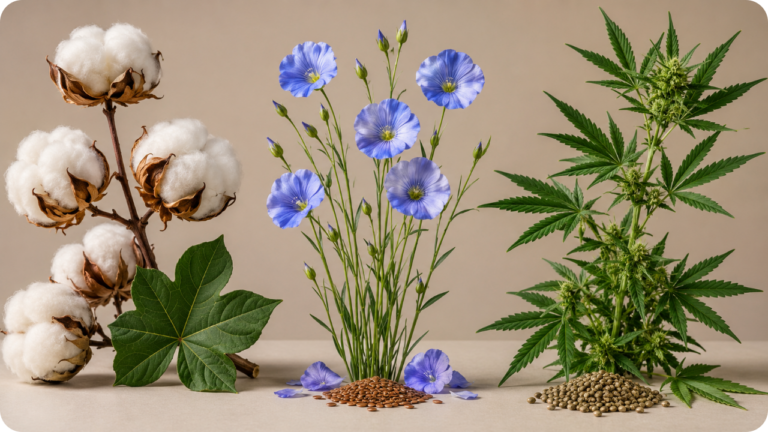
Beyond organic cotton, fibres such as linen and hemp are increasingly recognised for their lower environmental impact and long-term durability.
- Linen is lightweight, breathable, and particularly well suited to Australia’s warmer climate.
- Hemp is naturally resilient, highly durable, and requires relatively low water input during cultivation.
Natural fibres also help reduce reliance on synthetic textiles associated with microplastic shedding during washing, which is one reason many Australians are becoming more interested in plastic-free clothing alternatives and lower-synthetic wardrobes overall.
The environmental differences between natural and synthetic materials become particularly clear when comparing organic cotton and polyester.
Broader environmental considerations surrounding cotton production are also explored in The Environmental Impact of Cotton in Australia.
Buy Less, But Buy More Intentionally
Sustainable wardrobes are rarely built through large shopping hauls or complete lifestyle overhauls.
In most cases, they develop gradually through more intentional purchasing decisions and a stronger focus on repeat wear.
Rather than prioritising quantity, the emphasis shifts toward versatility, durability, and clothing that remains useful over longer periods of time.
Higher-quality essentials may initially cost more upfront, but garments designed for longevity often reduce replacement frequency over time.
This is one reason long-term clothing value is increasingly being discussed through cost-per-wear and wardrobe longevity rather than price alone.
Extend the Life of Existing Clothing
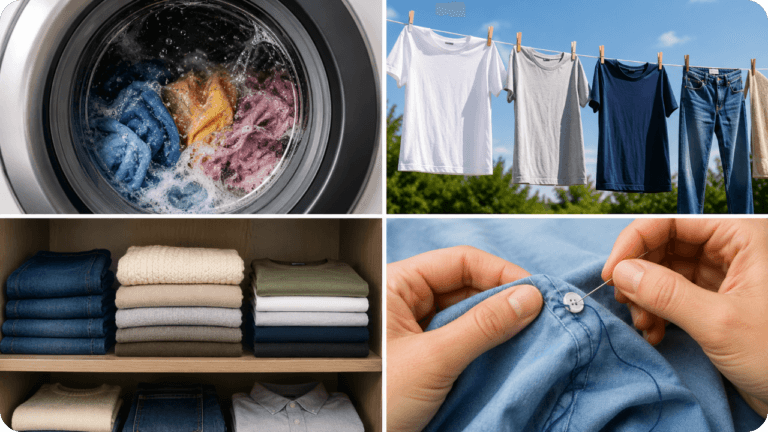
One of the most practical ways to reduce wardrobe waste is simply to extend the life of clothing already being worn.
Small maintenance habits can significantly reduce replacement frequency while improving long-term garment performance.
- Wash in cold water where possible
- Line dry instead of relying heavily on dryers
- Store garments properly to reduce stretching and fading
- Repair minor damage before replacing items entirely
Even relatively small extensions in garment lifespan can meaningfully reduce environmental impact over time.
Support Ethical Clothing Brands

Building a sustainable wardrobe also means paying closer attention to how clothing is made.
For many people, that now extends beyond fabric choice alone to things like manufacturing transparency, garment durability, working conditions, and whether clothing is actually designed to be worn long term.
Certifications such as Fair Trade, GOTS, Climate Neutral, and B Corp can help provide additional context around environmental and social standards, particularly as sustainability claims become more common across the fashion industry.
As interest in ethical manufacturing continues growing, many Australians are also searching for fair wear clothing in Australia that prioritises transparency, responsible production standards, and long-term garment quality rather than short-term trend cycles.
At the same time, many shoppers are moving away from fast-moving trend cycles and placing greater value on repeat wear, versatility, and clothing that remains useful beyond a single season.
That broader shift is part of why durable organic cotton basics and lower-synthetic wardrobes continue gaining momentum within sustainable fashion in Australia.
Sustainable Wardrobes Are Built Gradually
A sustainable wardrobe does not need to be perfect to be meaningful.
Choosing better-quality materials, reducing unnecessary purchases, wearing clothing longer, and prioritising versatility can collectively reduce waste while creating a wardrobe that functions more effectively over time.
In most cases, sustainability in fashion is less about perfection and more about making more intentional decisions consistently over the long term.
A sustainable wardrobe is not built through perfection or overnight change, but through consistently choosing clothing that lasts longer, gets worn more often, and supports a more thoughtful relationship with what we wear.
FAQs About Sustainable Wardrobes
What is a sustainable wardrobe?
A sustainable wardrobe focuses on clothing that is durable, versatile, ethically produced, and designed to reduce unnecessary waste and replacement.
How do I start building a sustainable wardrobe?
Start with versatile essentials you will wear frequently, prioritise natural fibres, buy less impulsively, and focus on long-term clothing quality over short-term trends.
What fabrics are best for a sustainable wardrobe?
Organic cotton, linen, and hemp are commonly preferred because they are breathable, durable, and biodegradable compared to many synthetic fabrics.
Is sustainable fashion more expensive?
Sustainable clothing can cost more upfront, but higher-quality garments often last longer and reduce replacement frequency over time.
Why are natural fibres considered more sustainable?
Natural fibres generally biodegrade more easily and avoid many of the microplastic pollution issues associated with synthetic materials like polyester.
How can I make my existing wardrobe more sustainable?
Wearing clothing longer, repairing damaged items, washing garments carefully, and reducing unnecessary purchases can all improve wardrobe sustainability.
What is ethical apparel?
Ethical apparel refers to clothing produced with greater attention to fair labour conditions, responsible sourcing, and environmental impact throughout the supply chain.