
How Organic Cotton Clothing Supports Ethical Apparel in Australia

Why Organic Cotton Matters Beyond the Marketing
Fast fashion has made clothing more accessible — but often at the cost of environmental stability and labour conditions.
In Australia alone, an estimated 200,000 tonnes of clothing end up in landfill each year. The scale of this waste reflects a broader system built around speed, volume, and disposability.
Organic cotton offers an alternative — but not because it is “perfect.”
It matters because it addresses some of the most persistent issues in conventional cotton production:
- reliance on synthetic pesticides and fertilisers
- excessive water consumption
- soil degradation over time
More importantly, it creates a foundation for something larger: a more transparent and accountable approach to ethical apparel in Australia.
What Makes Cotton “Organic”?
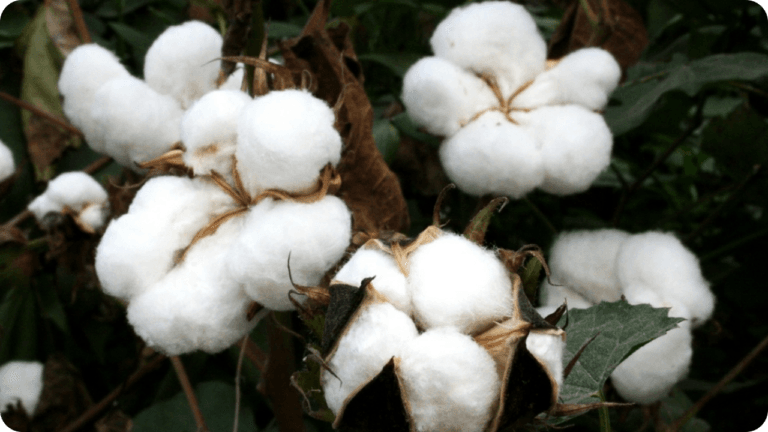
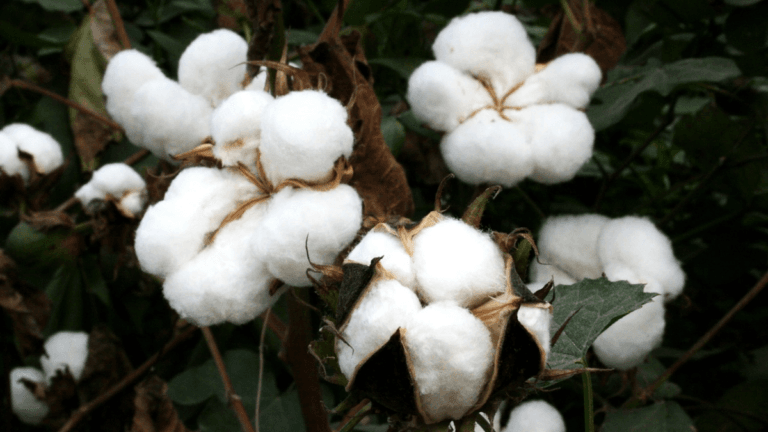
Organic cotton is grown under agricultural systems designed to work with natural processes rather than against them.
In practical terms, this means:
- no synthetic pesticides or herbicides
- no genetically modified seeds
- soil health maintained through crop rotation and composting
- reduced water usage compared to conventional cotton systems
These practices don’t just reduce environmental harm — they improve long-term farming resilience.
But fibre alone doesn’t define sustainability.
To understand the full picture, it’s important to look at what happens after the cotton is harvested — through processing, manufacturing, and supply chain oversight.
Organic Cotton Is the Starting Point — Not the Whole System
One of the most common misconceptions in sustainable fashion is that material choice alone determines whether a garment is ethical.
It doesn’t.
Organic cotton is a strong starting point — but without responsible production, it becomes just another label.
For organic cotton to genuinely support ethical apparel in Australia, it needs to be part of a broader system that includes:
- independent certification (such as GOTS)
- labour monitoring (such as Fair Wear Foundation oversight)
- chemical safety standards (such as OEKO-TEX® testing)
- measured environmental impact, including emissions
This is where many brands fall short.
They highlight the fibre — but not the system behind it.
How Organic Cotton Supports Ethical Apparel in Practice
When supported by verified standards, organic cotton contributes to ethical apparel in several measurable ways:
1. Lower-impact farming
Organic methods reduce chemical exposure for farmers and surrounding ecosystems, while improving soil quality over time.
2. Safer material processing
Standards like OEKO-TEX® help ensure finished garments are tested against harmful substances.
3. Traceable supply chains
Certifications such as GOTS track materials from raw fibre through to finished product, increasing transparency.
4. Alignment with ethical production models
When combined with monitored manufacturing systems — such as Fair Wear Foundation — organic cotton becomes part of a structure that supports ongoing improvements in working conditions.
This combination is what turns a raw material into something more meaningful: a garment backed by accountability.
Where Climate Impact Fits In
Material choice also plays a role in a garment’s overall carbon footprint — but again, it is only part of the equation.
The larger impact often comes from how garments are manufactured.
Stronger systems in ethical apparel focus on:
- renewable energy use in production
- independently measured carbon footprints
- verified emissions reductions
For example, garments produced within our supply chain are manufactured using renewable energy and independently verified carbon measurement standards, resulting in significantly lower emissions compared to conventional production.
This shifts sustainability from a general concept into something that can be quantified and verified.
Organic Cotton in the Australian Context
Demand for ethical apparel in Australia continues to grow — but so does confusion around what qualifies as “sustainable.”
Organic cotton remains one of the most recognised entry points for consumers.
However, as awareness increases, expectations are shifting.
Shoppers are no longer just asking:
- What is this made from?
They are also asking:
- Who made it?
- Under what conditions?
- How is its impact measured?
This shift is pushing the industry toward greater transparency — where fibre choice is supported by verifiable standards across the entire supply chain.
What to Look for When Choosing Organic Cotton Clothing

If you’re trying to make more informed choices, a few practical checks can make a significant difference:
- Is the cotton certified organic (GOTS or equivalent)?
- Are labour conditions independently monitored (e.g. Fair Wear)?
- Is there evidence of chemical safety testing (OEKO-TEX®)?
- Does the brand explain its carbon impact and energy use?
- Is the supply chain clearly described, not implied?
No brand will be perfect — but clarity across these areas is a strong indicator of credibility.
A Practical Approach to Building a Better Wardrobe
Switching to organic cotton doesn’t require a complete reset of your wardrobe.
In most cases, it starts with replacing high-turnover items — the pieces worn most often.
Well-made basics tend to deliver the greatest long-term value because they:
- last longer
- maintain comfort over time
- reduce the need for frequent replacement
This is where organic cotton performs particularly well — not just environmentally, but practically.
Ethical apparel in Australia is not defined by a single material — but organic cotton plays a critical role when it is supported by transparency, certification, and measurable standards.
FAQs About Organic Cotton & Ethical Apparel
Is organic cotton enough to make clothing ethical?
No. Organic cotton is a strong starting point, but ethical apparel also depends on labour conditions, certifications, and supply chain transparency. Without these, “organic” alone doesn’t guarantee responsible production.
What certifications should I look for in organic cotton clothing?
Look for standards such as GOTS (organic certification), OEKO-TEX® (chemical safety), and Fair Wear Foundation monitoring (labour conditions). These provide independent verification beyond marketing claims.
Does organic cotton reduce carbon emissions?
Organic cotton can reduce environmental impact at the farming stage, but overall emissions depend heavily on manufacturing. Brands using renewable energy and verified carbon measurement systems offer more meaningful reductions.
How does organic cotton support ethical apparel in Australia?
Organic cotton supports ethical apparel by reducing environmental harm while forming a foundation for responsible production. When combined with certified labour standards and transparent supply chains, it helps create genuinely ethical clothing systems.