Why Organic Cotton is the Future of Australian Fashion
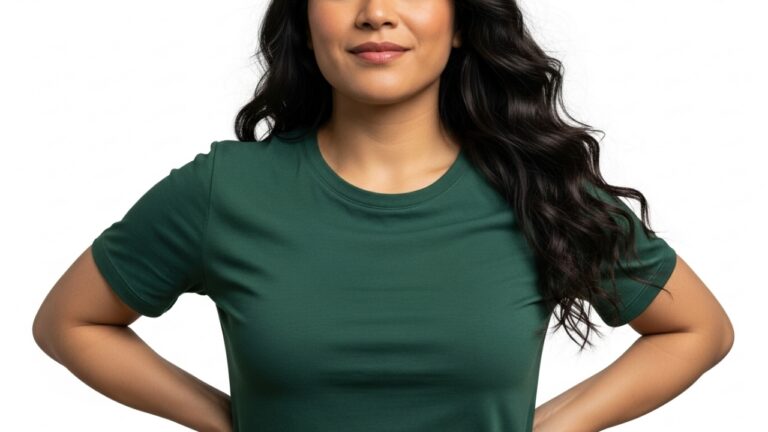
Organic cotton is becoming increasingly important within Australian fashion as more people begin prioritising durability, versatility, transparency, and lower-impact clothing choices.
Rather than focusing purely on fast-moving trends, many shoppers are now placing greater value on garments designed for repeat wear, long-term comfort, and reduced environmental impact.
This broader shift is helping drive growing interest in organic cotton clothing across Australia, particularly as conversations around synthetic fabrics, microplastic pollution, ethical manufacturing, and long-term garment quality continue expanding.
Organic cotton is not a perfect solution to every sustainability challenge within fashion, but it is becoming an increasingly important part of how many Australians are building more thoughtful, lower-impact wardrobes.
Why Organic Cotton Is Gaining Momentum in Australia
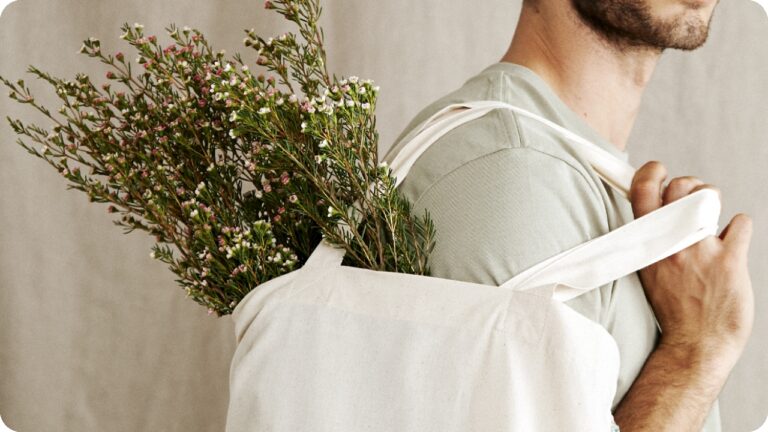
Several major shifts within the Australian fashion industry are contributing to the growing demand for organic cotton clothing.
Many consumers are becoming increasingly aware of the environmental impact associated with fast fashion, particularly around synthetic fabrics, short-term trend cycles, and excessive clothing waste.
At the same time, there is growing interest in building wardrobes around breathable, versatile essentials that can be worn repeatedly across different seasons and situations.
Organic cotton aligns naturally with many of these priorities because it offers:
- Breathable comfort suited to Australia’s climate
- Durable fibres designed for long-term wear
- Lower reliance on synthetic materials
- Reduced chemical use during farming
- Greater alignment with ethical and sustainable production standards
This shift toward repeat-wear clothing and lower-synthetic wardrobes is also contributing to growing interest in plastic-free clothing alternatives and more versatile wardrobe building overall.
For many Australians, sustainable fashion is increasingly becoming less about trend-driven aesthetics and more about long-term practicality, durability, and transparency.
Organic Cotton vs Conventional Cotton
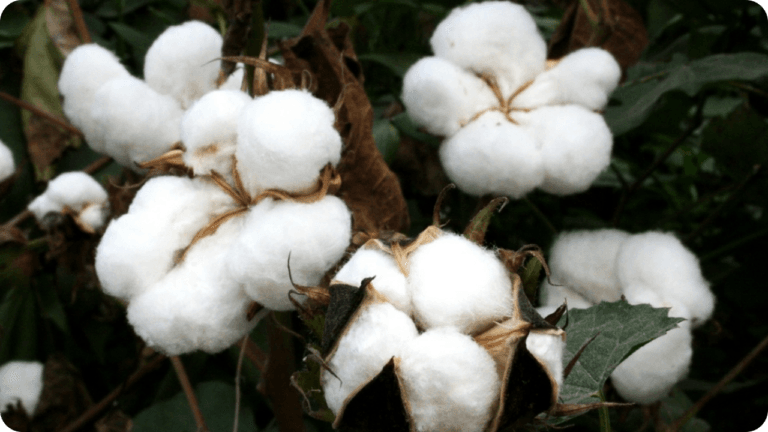
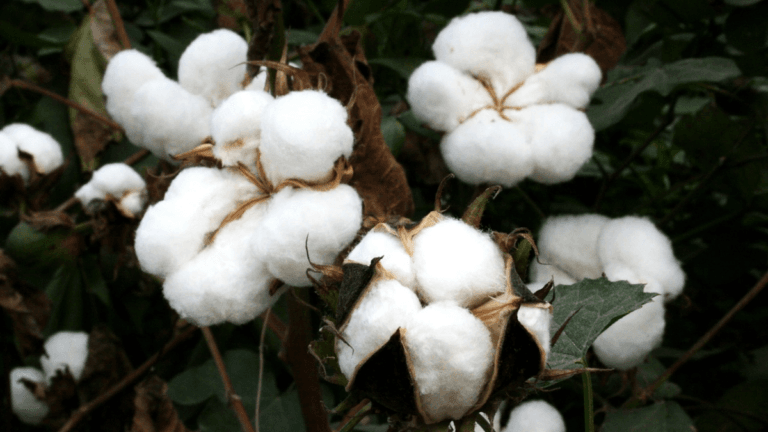
Organic cotton differs from conventional cotton primarily through the farming and production methods used to grow and process the fibres.
Unlike conventional cotton farming, organic cotton production avoids many synthetic pesticides, herbicides, and genetically modified seeds commonly associated with large-scale industrial agriculture.
These farming practices are designed to support healthier soil systems, reduce chemical runoff, and encourage more environmentally responsible agricultural processes overall.
Certified standards such as GOTS (Global Organic Textile Standard) also help establish clearer expectations around environmental and social responsibility throughout textile production.
Beyond farming practices, many people also prefer organic cotton because of its softer feel, breathability, and suitability for everyday wear.
The broader environmental differences between conventional and organic cotton production are explored further in The Environmental Impact of Cotton in Australia.
Why Natural Fibres Matter More Than Ever
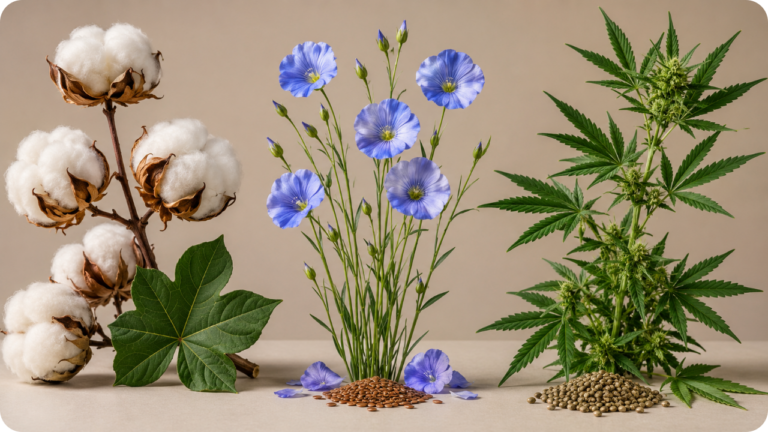
As awareness around synthetic textiles continues growing, natural fibres are becoming increasingly important within sustainable fashion conversations.
Materials such as organic cotton, linen, and hemp are often preferred because they are breathable, durable, and biodegradable compared to many petroleum-based synthetic fabrics.
One major concern surrounding synthetic materials such as polyester is microplastic shedding during washing.
Small synthetic fibres released from clothing can eventually enter waterways and marine ecosystems, contributing to growing global concerns around microplastic pollution.
Natural fibres help reduce reliance on these oil-based textiles while also supporting more breathable and versatile everyday wardrobes.
This is one reason many Australians are increasingly comparing organic cotton and polyester more closely when evaluating long-term clothing quality and sustainability.
Organic Cotton and Ethical Apparel
Growing interest in organic cotton is also closely connected to wider conversations around ethical apparel and supply chain transparency.
For many shoppers, sustainability now extends beyond fabric choice alone to include:
- Manufacturing transparency
- Labour conditions
- Long-term garment quality
- Environmental responsibility
- Supply chain certifications
Certifications such as Fair Trade, GOTS, Climate Neutral, and B Corp can help provide additional context around environmental and social standards within clothing production, particularly as more Australians begin exploring fair wear clothing alternatives designed around transparency, durability, and responsible manufacturing practices.
As sustainability marketing becomes more common throughout fashion, many consumers are also placing greater importance on durability, repeat wear, and whether garments are genuinely designed for long-term use.
As sustainability marketing becomes more common throughout fashion, many consumers are placing greater importance on durability, repeat wear, and whether garments are genuinely designed for long-term use rather than short-term trends.
Understanding certifications and ethical manufacturing standards can also help shoppers make more informed decisions when evaluating brands. Our guides on how to choose ethical apparel in Australia, Fair Trade, Climate Neutral & Vegan clothing standards, and how organic cotton supports ethical apparel explore these areas in greater detail.
Building a Lower-Impact Wardrobe with Organic Cotton
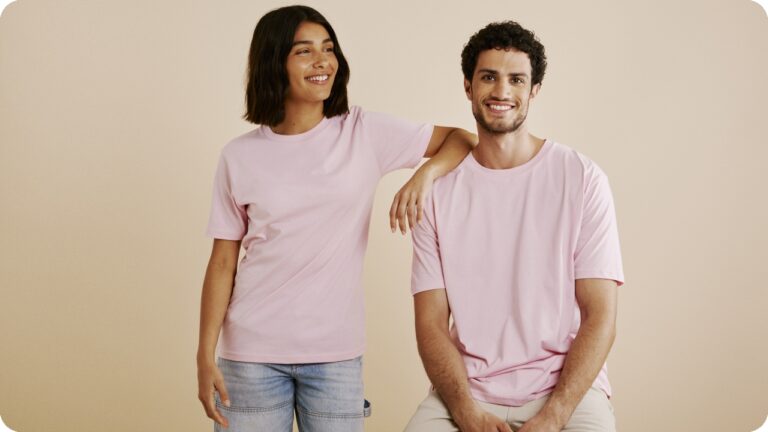
Building a more sustainable wardrobe rarely happens through large shopping hauls or complete lifestyle overhauls.
In most cases, it develops gradually through more intentional purchasing decisions and a stronger focus on clothing designed for repeat wear.
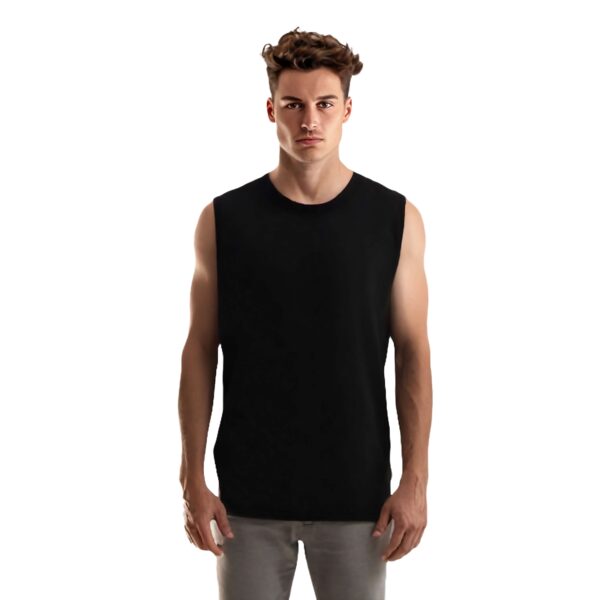
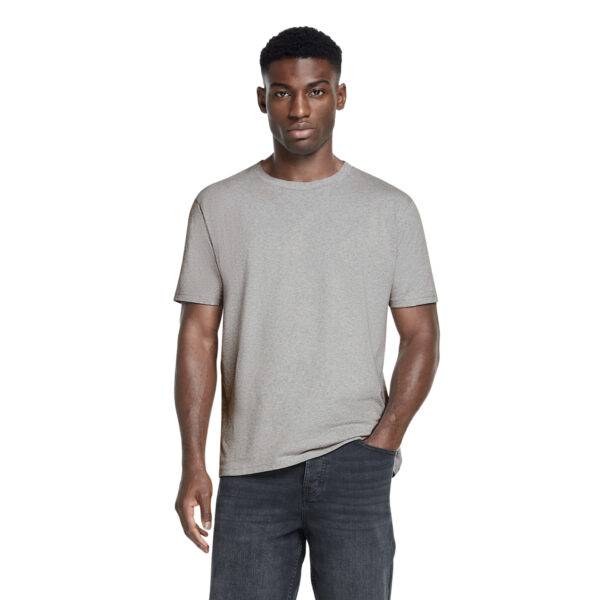
Organic cotton basics are often well suited to this approach because they provide versatility across different outfits, seasons, and everyday situations.
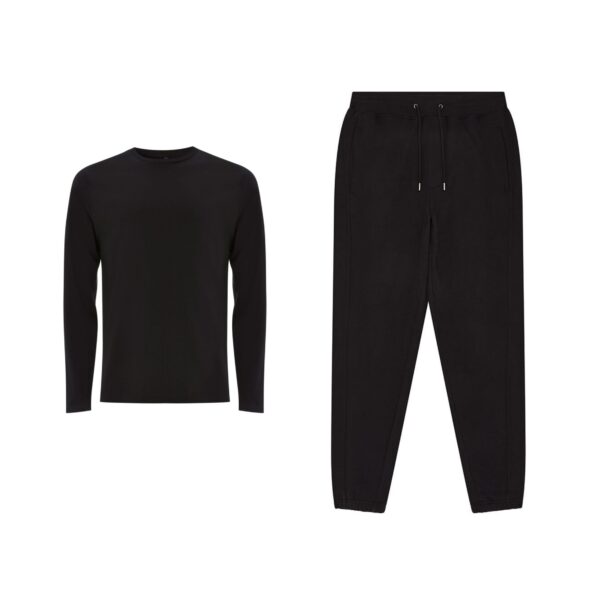
Reliable essentials such as Classic Jersey T-shirts, Long Sleeve Tees, and comfortable Organic Sweatpants are often easier to wear consistently than highly trend-driven pieces.
For people looking to simplify wardrobe building further, organic cotton clothing bundles and matching sets can also help create more versatile outfit combinations from fewer garments.
This approach closely aligns with cost-per-wear principles, where long-term value is measured through durability, repeat wear, and reduced replacement frequency rather than upfront price alone.
For a broader guide to building a more versatile and lower-impact wardrobe overall, see How to Build a Sustainable Wardrobe in Australia.
The Future of Australian Fashion Is Shifting Toward Longevity
Fashion in Australia is gradually moving away from disposable trend cycles and toward clothing designed to last longer, function more effectively, and remain wearable beyond a single season.
As more consumers begin prioritising transparency, versatility, comfort, and lower-impact materials, organic cotton is becoming an increasingly important part of that broader shift.
Rather than representing a passing trend, organic cotton reflects changing expectations around how clothing should be produced, worn, and valued over time.
Organic cotton is becoming part of a broader shift toward clothing that is worn longer, valued more highly, and designed with greater transparency, durability, and long-term practicality in mind.
Organic Cotton Fashion FAQs
What makes organic cotton different from conventional cotton?
Organic cotton is grown using farming practices that avoid many synthetic pesticides, herbicides, and genetically modified seeds commonly used in conventional cotton production.
Why is organic cotton considered more sustainable?
Organic cotton production generally focuses on lower chemical use, healthier soil management, and reduced environmental impact compared to conventional cotton farming methods.
Does organic cotton clothing last longer?
High-quality organic cotton garments are often valued for their durability, breathability, and long-term comfort, particularly when designed for repeat wear and proper garment care.
Is organic cotton better for sensitive skin?
Many people prefer organic cotton for sensitive skin because it is breathable, soft, and produced without many of the harsh chemical treatments associated with conventional textile processing.
Why are Australians moving away from polyester clothing?
Growing awareness around microplastic pollution, synthetic fabrics, and long-term garment quality is contributing to increased interest in natural fibres such as organic cotton, hemp, and linen.
What certifications should I look for when buying organic cotton clothing?
Certifications such as GOTS, Fair Trade, Climate Neutral, and B Corp can help provide additional transparency around environmental standards, ethical production, and supply chain practices.
Is organic cotton worth the higher price?
Although organic cotton clothing can sometimes cost more upfront, many people consider the long-term durability, comfort, and repeat-wear value worthwhile over time.
How can I build a more sustainable wardrobe with organic cotton basics?
Start gradually with versatile essentials designed for repeat wear, such as T-shirts, long sleeves, and comfortable layering pieces that work across multiple outfits and seasons.