The Environmental Impact of Cotton:
Conventional vs Organic
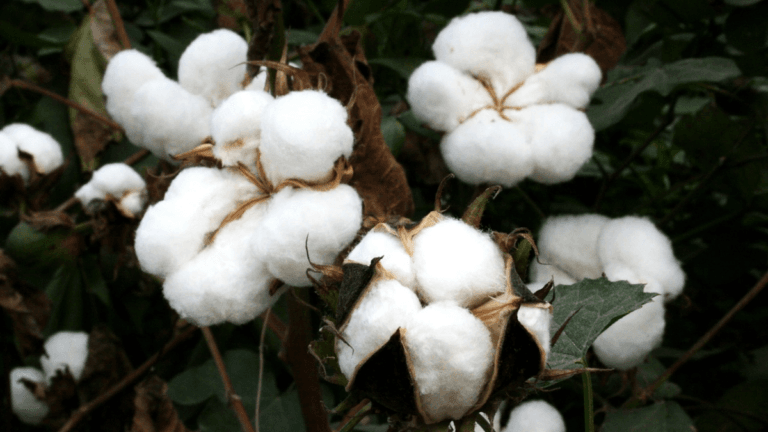
Cotton is one of the most widely used fibres in the world, but how it is produced has a significant impact on the environment. While it’s often seen as a “natural” material, conventional cotton farming can place heavy pressure on water systems, soil health, and surrounding ecosystems.
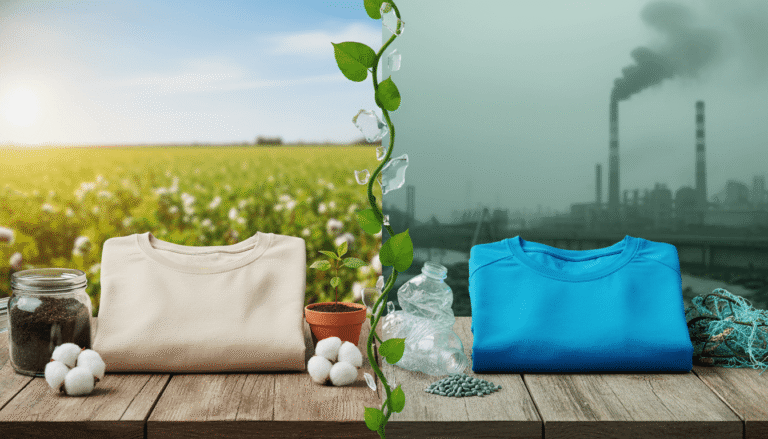
Organic cotton offers an alternative approach. By changing how cotton is grown and managed, it reduces many of the environmental risks associated with conventional production. However, it is not a perfect solution — and understanding the difference matters.
This guide breaks down the environmental impact of conventional vs organic cotton across water use, chemicals, soil health, and carbon emissions, so you can make more informed decisions about what you wear.
Why Cotton Matters in the Global Fashion Industry
Cotton accounts for a significant share of global fibre production and remains a staple in everyday clothing. From T-shirts to denim, it sits at the foundation of modern wardrobes.
Because of this scale, even small differences in how cotton is produced can have widespread environmental consequences. Farming methods influence water availability, soil stability, biodiversity, and emissions — making cotton a critical material in the broader conversation around sustainable fashion.
This becomes even more relevant when compared with synthetic fibres, which introduce their own environmental challenges, particularly around microplastics and end-of-life waste.
The Environmental Impact of Conventional Cotton
Water Consumption
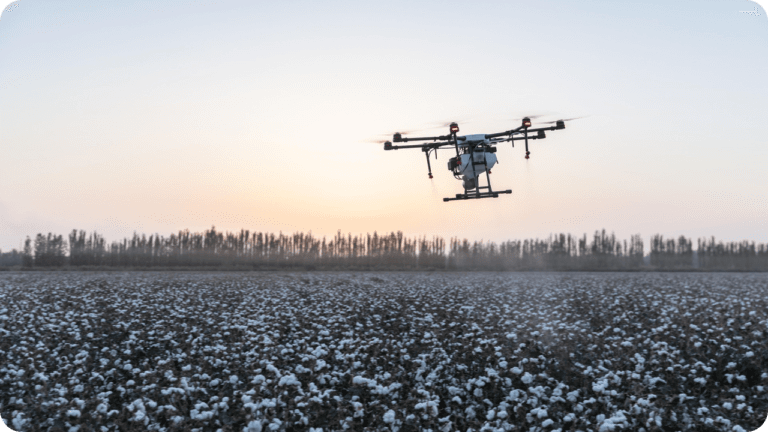
Conventional cotton is often associated with high water demand, particularly in regions that rely on irrigation. Producing a single cotton T-shirt can require thousands of litres of water, depending on climate and farming practices.
In some areas, this demand has contributed to severe environmental consequences. Large-scale irrigation projects have historically contributed to issues explored in the true cost of fast fashion, where resource use and overproduction place long-term strain on ecosystems and communities.
Chemical Use
Conventional cotton farming relies heavily on synthetic pesticides and fertilisers. While these inputs help maximise yield, they also introduce significant environmental risks.
Chemical runoff can contaminate waterways, harm wildlife, and reduce biodiversity. For farmers and nearby communities, prolonged exposure also raises health concerns.
Despite occupying a relatively small percentage of global farmland, cotton accounts for a disproportionately high share of pesticide use, highlighting the intensity of these farming methods.
Soil Degradation
Conventional cotton is commonly grown using monocropping systems, where the same crop is planted repeatedly on the same land. Over time, this depletes soil nutrients and reduces overall soil health.
As soil quality declines, farmers often become increasingly reliant on synthetic fertilisers to maintain production. This creates a cycle where soil degradation and chemical dependency reinforce each other.
Carbon Emissions
Conventional cotton production is also energy-intensive. The use of synthetic fertilisers, machinery, and irrigation systems contributes to greenhouse gas emissions across the farming process.
While cotton itself is a natural fibre, the way it is produced plays a major role in determining its overall carbon footprint.
The Benefits of Organic Cotton
Water Savings
Organic cotton is often grown in rain-fed systems and supported by farming practices that improve soil structure. Healthier soil retains moisture more effectively, reducing the need for intensive irrigation.
While water use can vary depending on region, organic systems generally place less pressure on freshwater resources compared to conventional methods.
Reduced Chemical Impact
Organic cotton farming prohibits the use of synthetic pesticides and fertilisers. Instead, it relies on natural processes such as crop rotation and biological pest control.
This significantly reduces chemical runoff and helps protect surrounding ecosystems, waterways, and farming communities.
Soil Health and Biodiversity
Organic farming focuses on building long-term soil health rather than maximising short-term yield. Practices like crop rotation and composting improve soil fertility and support biodiversity.
Healthier soil also plays a role in carbon storage, making it an important factor in reducing the overall environmental impact of agriculture.
Lower Carbon Footprint
By avoiding synthetic fertilisers and supporting healthier soil systems, organic cotton typically results in lower greenhouse gas emissions at the farming stage.
However, it’s important to recognise that the full carbon footprint of a garment also depends on manufacturing, transport, and lifespan — not just the raw material.
Conventional vs Organic Cotton: Environmental Comparison
| Impact Area | Conventional Cotton | Organic Cotton |
|---|---|---|
Water Use |
High irrigation demand |
Primarily rain-fed, significantly lower usage |
Chemical Use |
Heavy pesticides and synthetic fertilisers |
No synthetic pesticides or fertilisers |
Soil Health |
Degrades soil over time |
Supports regeneration and biodiversity |
Carbon Emissions |
Higher due to fertilisers and energy use |
Lower emissions from natural farming methods |
Ecosystem Impact |
Pollution and biodiversity loss |
Reduced harm to surrounding ecosystems |
Beyond Materials: The Bigger Picture

While fibre choice matters, it’s only one part of the equation. The total environmental impact of clothing depends on how garments are made, how long they last, and how often they are replaced.
Durability, quality, and thoughtful consumption all play a role. Looking at clothing through a cost-per-wear perspective can help connect environmental impact with everyday decisions, shifting the focus from quantity to longevity.
Building a More Sustainable Wardrobe in Australia
For Australian consumers, shifting toward organic cotton is one practical way to reduce the environmental impact of everyday clothing.
Simple, well-made essentials designed for repeat wear can replace high-turnover items, helping reduce waste and resource use over time.
Rather than overhauling everything at once, a gradual transition toward fewer, better pieces is often the most realistic and sustainable approach.
Making More Informed Choices
The environmental impact of cotton is shaped by how it is grown, processed, and used. Conventional methods have enabled large-scale production, but often at a significant environmental cost.
Organic cotton represents a shift toward more balanced systems — reducing harm while supporting healthier ecosystems and farming practices.
It’s not a perfect solution, but it is a meaningful step. And when combined with better manufacturing, longer-lasting garments, and more considered consumption, it becomes part of a much broader shift toward a more responsible fashion industry.
The difference between conventional and organic cotton isn’t just environmental — it’s systemic. And the more informed your choices become, the more that system begins to shift with you.
Organic & Conventional Cotton FAQs
Is organic cotton better for the environment than conventional cotton?
In most cases, yes. Organic cotton avoids synthetic chemicals, supports healthier soil, and often uses less irrigation. However, total impact still depends on manufacturing and garment lifespan.
Why does conventional cotton have such a high environmental impact?
Its impact comes from a combination of high water use, intensive chemical inputs, soil degradation, and energy use. These factors compound over time, increasing environmental strain.
Is organic cotton completely sustainable?
No. Organic cotton reduces many environmental impacts but still requires land, water, and processing. It is a lower-impact option, not a zero-impact solution.
Does choosing organic cotton make a real difference?
Yes, particularly when combined with durable garment design and responsible production. Material choice is one of several factors that contribute to reducing overall impact.