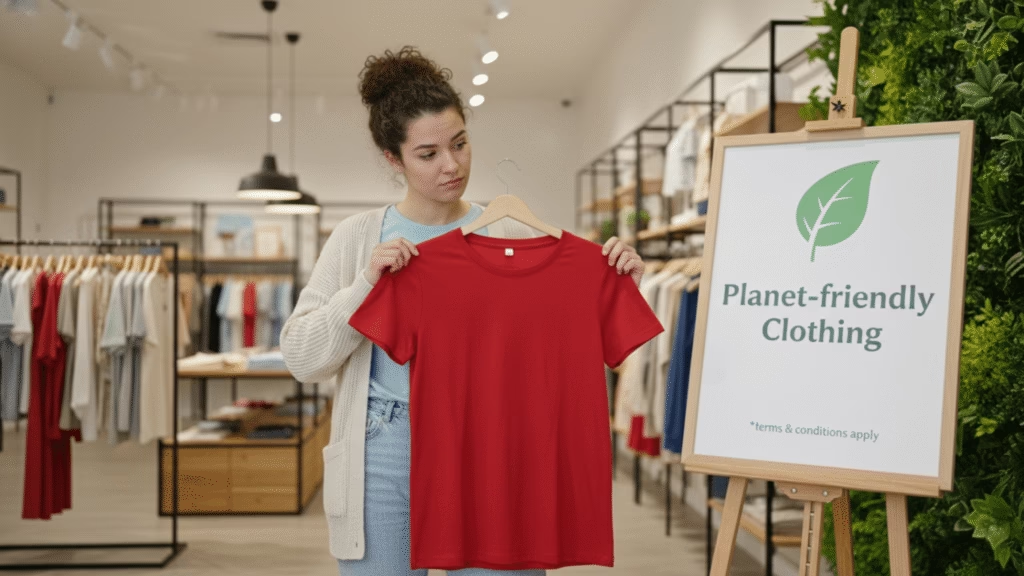
How to Avoid Greenwashing When Shopping for Clothing in Australia
Greenwashing has quietly become one of the biggest problems in Australian fashion. Brands know shoppers care about sustainability — so instead of improving their practices, many simply improve their marketing. The result? Misleading claims, vague “eco” language, and a level of confusion that makes it harder for genuinely ethical brands to stand out.
This guide breaks down exactly how to recognise greenwashing and how to confidently shop for truly ethical and sustainable clothing in Australia — building on the same principles explored in our guide to ethical and sustainable fashion in Australia.
What Greenwashing Actually Looks Like in Australia
Greenwashing happens when a brand presents itself as environmentally responsible without backing those claims with evidence. In fashion, this often shows up as:
Buzzwords like “sustainable”, “ethical”, “green”, or “conscious”
Earthy imagery, leaves, and beige tones to imply eco-friendliness
Highlighting one tiny action while hiding major issues
No supply chain information
No certifications
No environmental reporting
Polyester-heavy products marketed as “eco”
Even the Australian Competition and Consumer Commission (ACCC) has launched investigations into misleading environmental claims across Australia.
When sustainability becomes a marketing trend, misinformation becomes a problem — and shoppers deserve clarity.
🚩 The 7 Red Flags to Watch for When Shopping Clothing:
1. No Certifications or Fake-Sounding Labels
If a brand uses words like “ethical” or “eco-friendly” without any third-party verification, that’s a major warning sign.
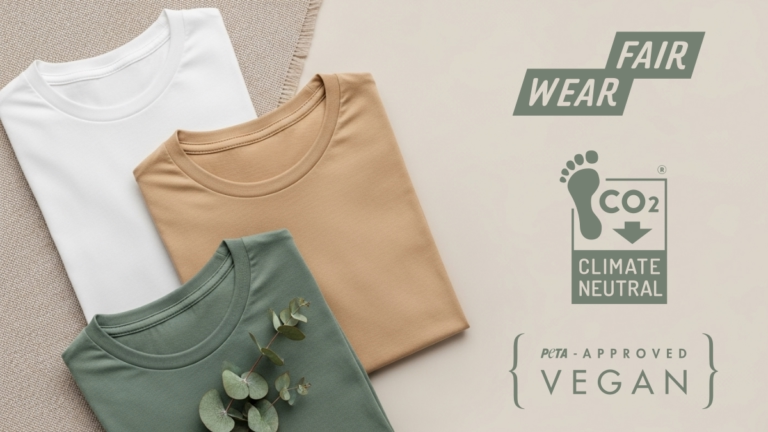
Legitimate certifications are discussed in depth in our breakdown of What Fair Trade, Climate Neutral and Vegan Clothing Really Mean in Australia.
2. Overly General Buzzwords
If a brand uses sustainability language but doesn’t explain how, consider it a red flag.
“Eco-friendly materials” means nothing unless fibres are named and verified.
3. No Transparency About Factories or Materials
Brands committed to ethics proudly share manufacturing partners, fibre sourcing, and working conditions. This level of transparency is a core pillar of ethical apparel in Australia.
4. Highlighting One Good Thing Only
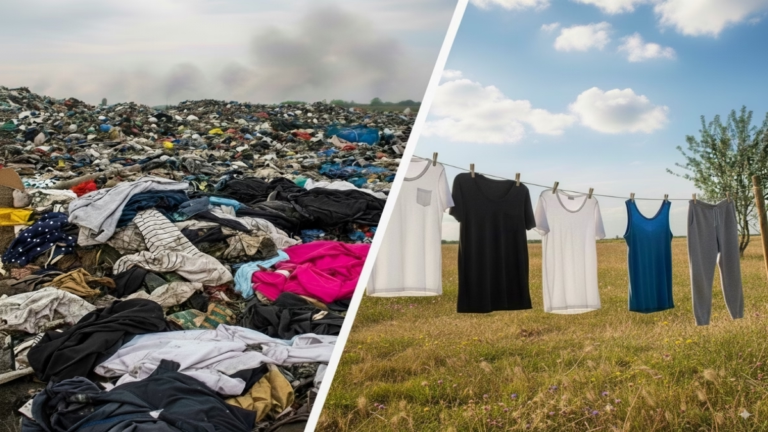
Tree planting, recycled packaging, or donation programs don’t offset exploitative manufacturing or harmful materials — a pattern often seen in fast fashion, as outlined in The True Cost of Fast Fashion vs Sustainable Fashion in Australia.
5. Hiding Polyester Behind Fancy Wording
Terms like “recycled polyester”, “responsible polyester”, or “eco-fleece” try to distract from the fact that polyester is still plastic, still sheds microplastics, and still contributes to fossil fuel reliance.
Brands often label synthetic materials as “eco” or “sustainable,” but the reality is more complicated — especially when you understand the difference between organic cotton and polyester.
If you want to understand why fibre choice matters, our deep dive into the environmental impact of cotton in Australia provides essential context.
6. No Environmental Data
Brands serious about sustainability publish carbon, water, and chemical data. Transparency benchmarks are tracked globally by the Fashion Revolution Transparency Index, which highlights how few brands actually disclose meaningful information.
7. A Price That Doesn’t Make Ethical Sense
One of the most common greenwashing tactics is focusing on a low upfront price, while ignoring the true cost per wear over the garment’s lifetime.
If a shirt costs less than a cup of coffee, ethical labour and responsible materials simply aren’t possible — regardless of the branding.
💚 The 7 Ways to Actually Verify a Brand Is Ethical
1. Look for Recognised Certifications
These logos matter because they represent strict audits and verified standards.
GOTS (Global Organic Textile Standard) – highest organic cotton standard
Fair Trade – verified ethical labour
PETA Vegan – no animal products
Climate Neutral – independently measured + offset emissions
OEKO-TEX – tested for harmful chemicals
2. Supply Chain Transparency
Ethical brands openly share:
Factory names and locations
Worker protections
Wages
Certifications
Policies
3. Environmental Reporting
Look for brands that disclose:
Their carbon emissions
Water usage
Chemical management (ZDHC)
Yearly improvement reports
4. Read Fibre Content Carefully
Prioritise:
Organic cotton
Linen
Hemp
Modal/Tencel (certified)
Avoid heavy poly blends, polyester knits, acrylic, nylon, and “eco-fleece.”
5. Evaluate Durability
Sustainability isn’t just about materials — it’s about longevity. High-quality organic cotton lasts dramatically longer than cheap synthetics.
Look for things such as high GSM organic cotton and reinforced seams.
6. Review Brand Policies
Ethical brands often provide sustainability commitments, repair programs, transparent returns, longevity guarantees and recycling support.
7. Use Third-Party Ratings & Directories
Platforms like Good On You, Ethical Clothing Australia, Renewed Collective or Eco Hub Map help cut through noise.
What Ethical Clothing Looks Like (A True Example)
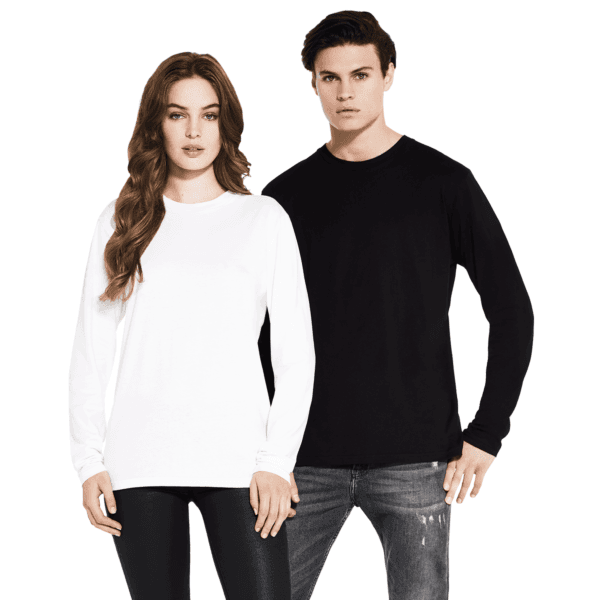
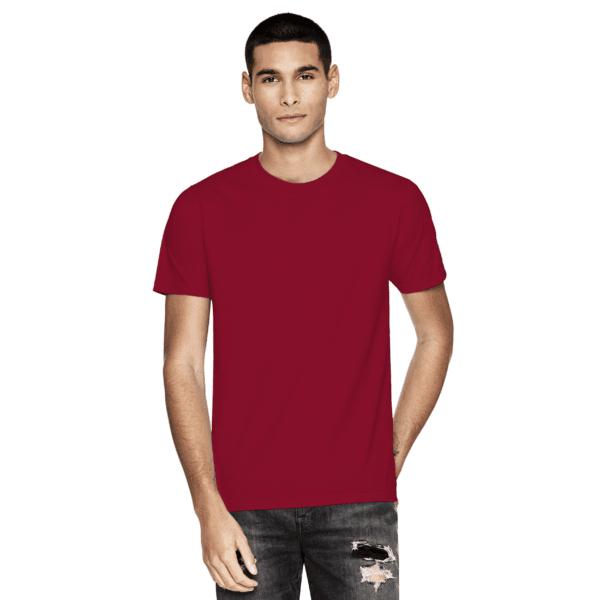
At Pandemonium Paradise, we only stock apparel that meets strict environmental and social standards — not marketing fluff.
Every item in our organic clothing collection is:
Certified Organic Cotton (GOTS)
Fair Trade Certified
PETA Approved Vegan
Manufactured in Climate Neutral facilities
Zero Polyester
Shipped plastic-free in home-compostable packaging
Fully transparent from seed to store
This is the difference between genuine sustainability and greenwashing — verification, transparency, and accountability.
To understand the principles behind this approach, you can also explore our commitment to ethical apparel in Australia.
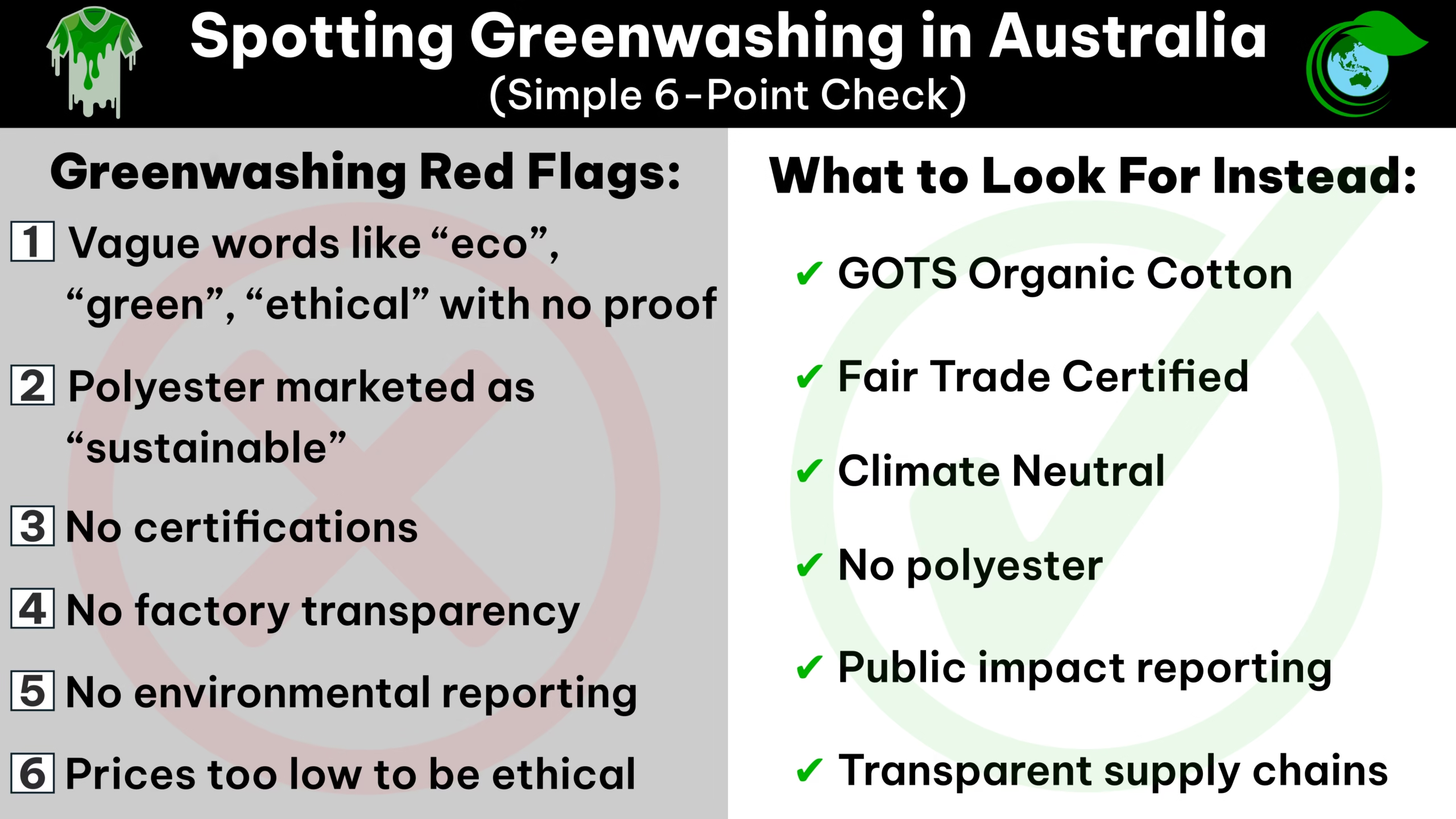
Before you buy, ask these:
✔ Does the brand offer third-party certifications?
✔ Are factories named and transparent?
✔ Do they publish environmental reports?
✔ Are materials clearly listed?
✔ Is polyester disguised with clever wording?
✔ Does the price reflect ethical labour?
✔ Do they offer responsible policies?
If the answer is no to most of these, you’ve likely found greenwashing.
FAQs About Greenwashing
What is greenwashing in Australian fashion?
Greenwashing is when brands exaggerate or misrepresent their sustainability efforts to appear more eco-friendly than they are.
How can I tell if a clothing brand is actually sustainable?
Look for certifications, transparent supply chains, third-party ratings, and clear fibre content.
Are certifications important when avoiding greenwashing?
Yes — certifications like GOTS, Fair Trade, Climate Neutral, and OEKO-TEX verify claims through independent audits.
Is recycled polyester sustainable?
Not in most cases. It still sheds microplastics, still relies on plastic, and often distracts from poor labour practices.
What fabric should I choose to avoid greenwashing?
Certified organic cotton, linen, hemp, and Tencel are more sustainable options with traceable supply chains.
Greenwashing relies on confusion — ethical fashion relies on proof. When brands show certifications, transparency, and accountability, sustainability stops being a buzzword and becomes something you can trust.
In sustainable fashion, proof is the new standard.