

Pandemonium Paradise

The Real Cost Per Wear of Organic Clothing (And Why Cheap Fashion Isn’t Actually Cheap)

Why the Price Tag Lies

Most shoppers are trained to look at the price tag and stop there. But the upfront price of a garment only reflects what you pay at checkout — not what the item costs over its lifetime.

Fast fashion relies on low prices that mask hidden costs: rapid wear‑out, frequent replacement, environmental damage, and ethical shortcuts taken out of sight. When those factors are accounted for, cheap clothing rarely stays cheap.

This pattern is explored further in The True Cost of Fast Fashion vs Sustainable Fashion in Australia.

What “Cost Per Wear” Actually Means

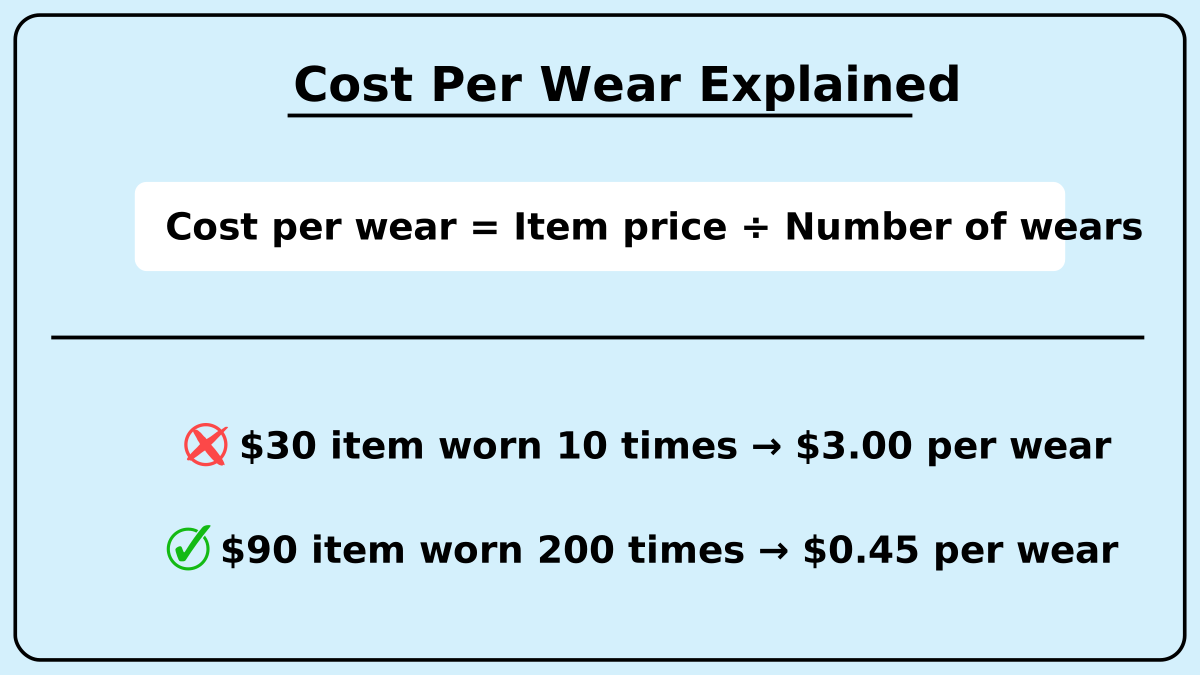
Cost per wear measures how much each use of a garment costs over its usable lifespan.

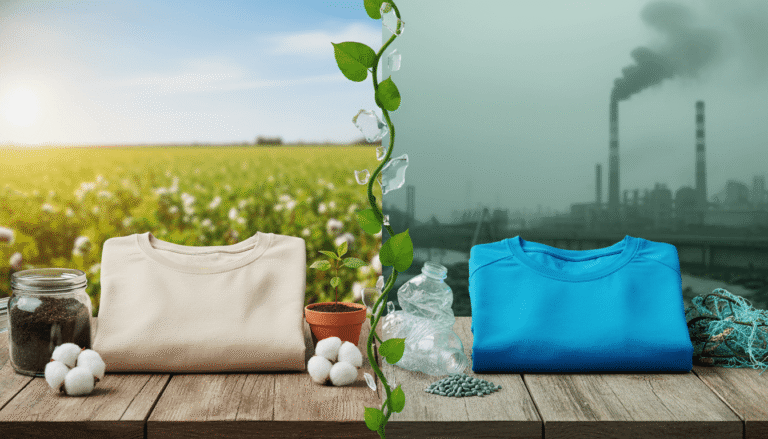
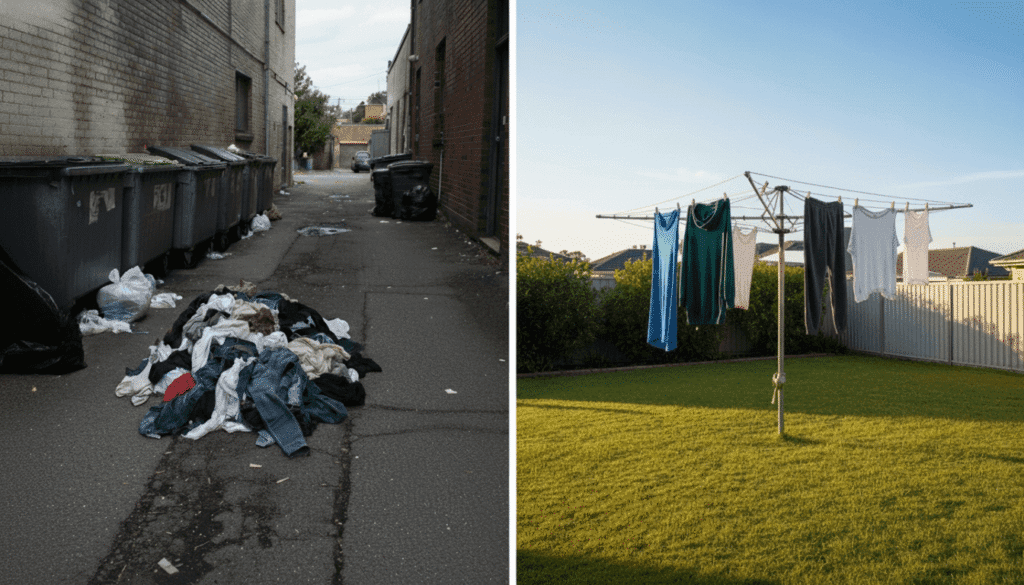
Cost per wear comparison showing organic cotton clothing costs less over time than fast fashion

This lens removes emotion, trend pressure, and marketing language — and replaces them with measurable value.

Why Cheap Clothing Wears Out Faster

Low‑cost garments are designed for speed and margin, not longevity. To achieve this, fast fashion brands commonly:

  • Use low‑grade synthetic fibres

  • Reduce fabric weight and stitching density

  • Skip durability testing

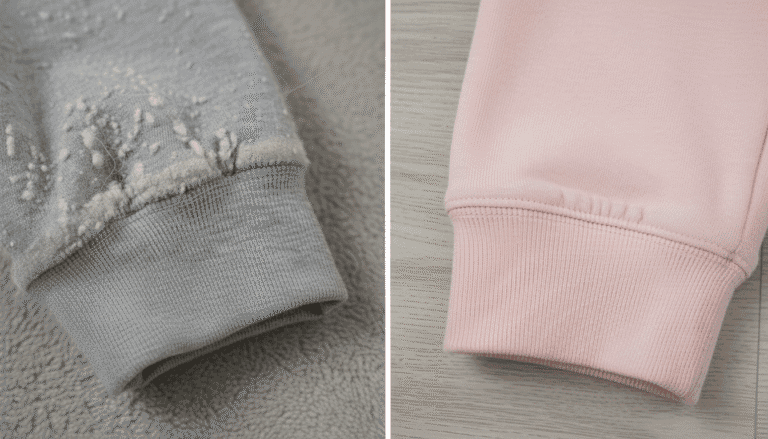
Synthetic blends may look intact at first, but they often stretch, pill, trap odours, and lose shape quickly — especially after repeated washing.

This degradation is tied directly to fibre choice, as explained in Why Natural Fibres Matter: Organic Cotton vs Polyester Explained.

Organic Cotton and Longevity

Organic cotton garments tend to last longer because:

  • Fibres are stronger when grown without chemical stress

  • Fabric construction prioritises durability

  • Natural fibres respond better to repeated washing

According to Textile Exchange, organic cotton fibres retain integrity longer than conventionally grown cotton due to healthier soil systems and reduced fibre damage during cultivation (Textile Exchange – Cotton Impact Data).

Longer life directly lowers cost per wear.

Fabric Lifecycle Comparison

Fast Fashion / Synthetic Blend Organic Cotton Essential
1. Fibre source
Synthetic / chemically intensive
Natural, organic cotton
2. Fabric behaviour over time
Pills, stretches, traps odours
Softens, holds shape, breathable
3. Wash durability
Degrades quickly
Improves with washing
4. Average replacement cycle
Months
Years
5. End of life
Landfill / microplastic shedding
Biodegradable (under proper conditions)
6. Cost per wear outcome
Rises over time
Falls over time

The Hidden Costs Cheap Fashion Never Includes

When clothing is priced unrealistically low, costs are shifted elsewhere:

These externalised costs are paid by communities, ecosystems, and future generations — not reflected at checkout.

For guidance on recognising misleading sustainability claims, see How to Avoid Greenwashing When Shopping for Clothing in Australia.

Why Ethical Clothing Often Wins Over Time

Ethical apparel prioritises:

These choices extend garment lifespan and reduce the need for replacement — lowering overall cost per wear.

“Value isn’t defined by how little you pay today — but by how long something serves its purpose.”

Learn how these principles show up in practice in How Organic Cotton Clothing Supports Ethical Apparel in Australia.

Building a Wardrobe That Costs Less Over Time

To reduce your real clothing spend:

  • Buy fewer, better‑made essentials

  • Choose natural fibres over synthetics

  • Maintain garments properly

A practical roadmap is outlined in How to Build a Sustainable Wardrobe in Australia.

✨ You can also explore our organic cotton essentials designed for long‑term wear.

FAQs — Cost Per Wear and Sustainable Fashion

Is ethical clothing always more expensive?

Not when measured over time. Higher upfront prices are often offset by longer wear life.

Does cost per wear matter for basics?

Especially. Essentials worn weekly benefit most from durability.

Can synthetic clothing ever be cost‑effective?

Only in narrow use cases. For everyday wear, synthetics typically increase replacement frequency.

When we stop judging clothing by price alone and start measuring performance over time, the economics change. Cost per wear reveals which garments quietly earn their place — and which ones demand constant replacement.

The cheapest clothing is rarely the least expensive choice.

Spread the Word!

Leave a Comment

Your email address will not be published. Required fields are marked *

Shopping Cart
Shopping cart0
There are no products in the cart!
You may be interested in…
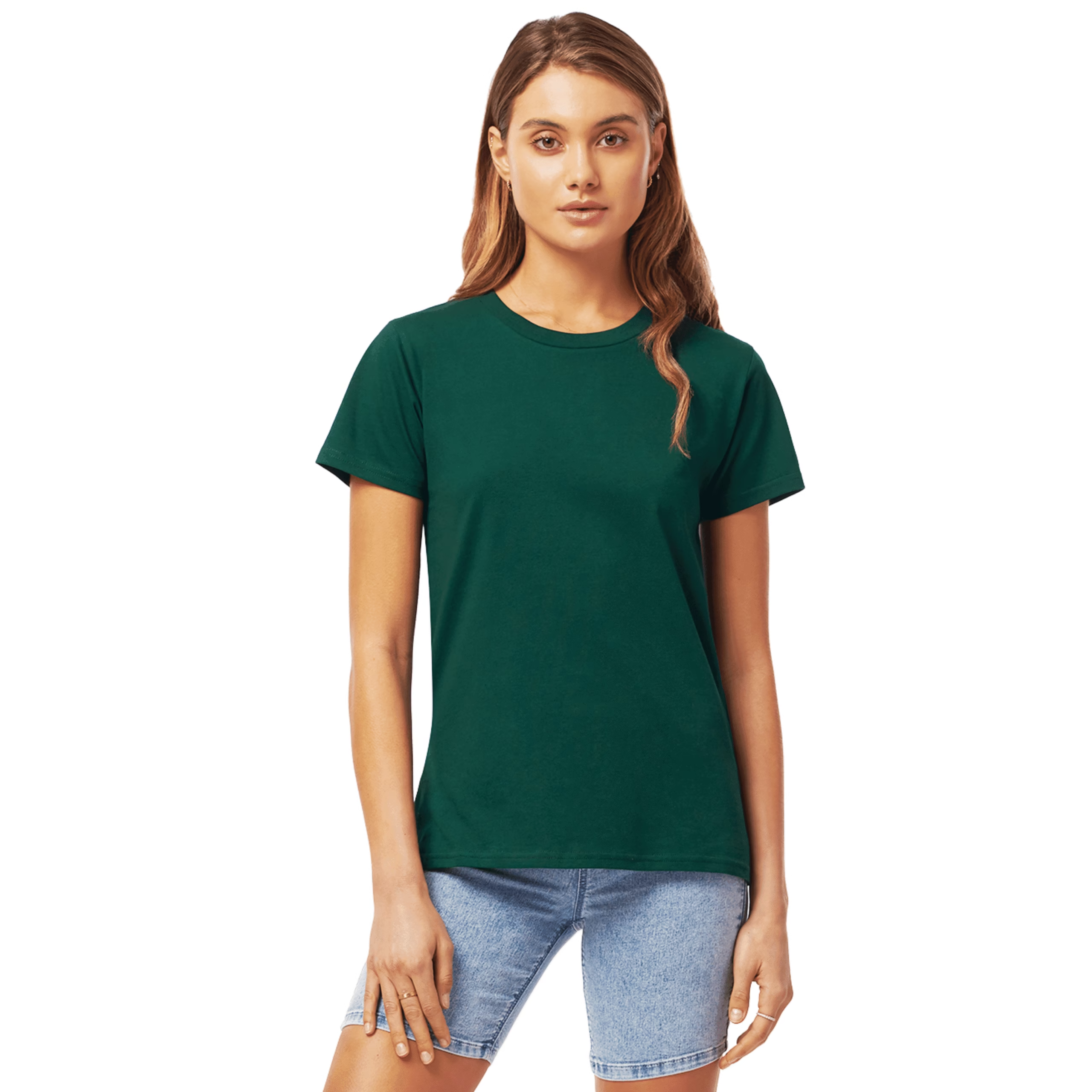
Women's Classic Jersey T-Shirt - Bottle Green BO - EP02 - Earth Positive @ Pandemonium Paradise
Original price was: $39.00.Current price is: $29.00.

Select options This product has multiple variants. The options may be chosen on the product page

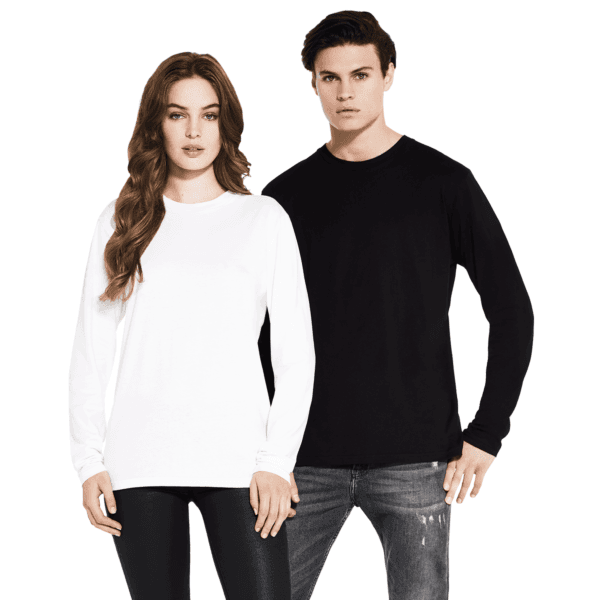
Unisex Long Sleeve T-shirt - White WH & Black BL- EP01L - Earth Positive @ Pandemonium Paradise
$49.00

Select options This product has multiple variants. The options may be chosen on the product page

Men's Classic Jersey T-Shirt - Dark Red DR - EP01 - Earth Positive @ Pandemonium Paradise
Price range: $39.00 through $42.00

Select options This product has multiple variants. The options may be chosen on the product page

Continue shopping
0