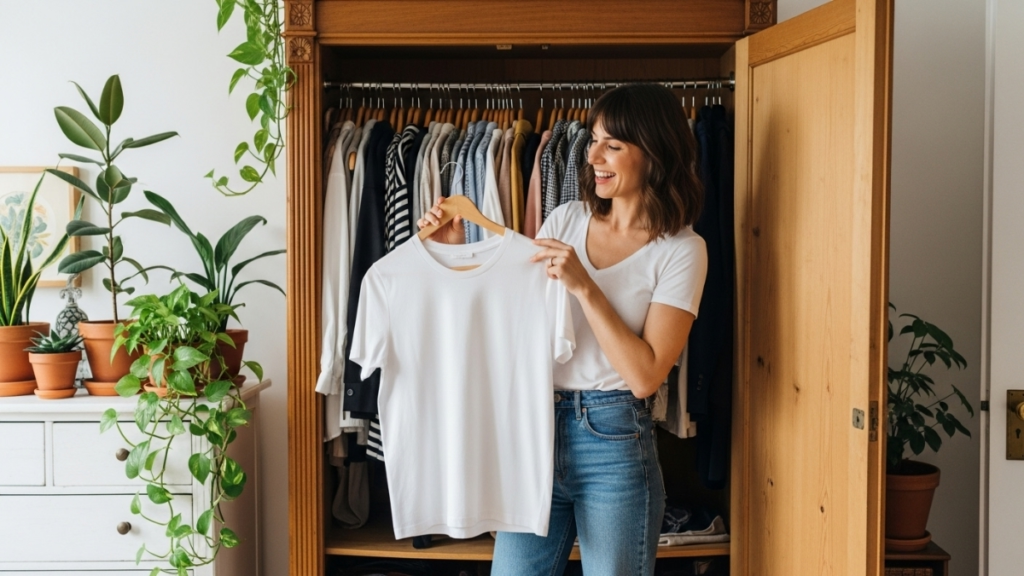
How to Build a Sustainable Wardrobe in Australia
Why Your Wardrobe Choices Matter
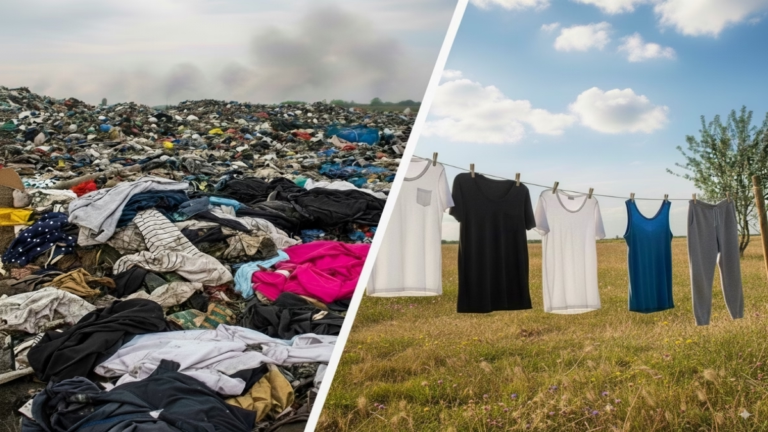
Fast fashion has reshaped how we consume clothing, but at a high environmental and ethical cost. Australians send over 200,000 tonnes of clothing to landfill each year (The Guardian). If you want the full picture of those hidden costs, particularly around production and waste, read The True Cost of Fast Fashion vs Sustainable Fashion in Australia.
Building a sustainable wardrobe is about reducing waste, choosing better fabrics, and supporting ethical brands that respect both people and the planet.
This guide will show you how to create a wardrobe that aligns with your values while still being practical, stylish, and versatile.
Step 1: Start with Organic Cotton Basics
Organic cotton is grown without toxic pesticides, uses significantly less water than conventional cotton (Textile Exchange), and is safer for farmers and ecosystems. For more on the benefits and industry trends behind organic cotton, see Why Organic Cotton Clothing is the Future of Australian Fashion.
Certified standards like Global Organic Textile Standard (GOTS) ensure both environmental and social responsibility. It’s breathable, durable, and ideal for the Australian climate. If you’re decoding sustainable fashion terms like Fair Trade or Climate Neutral, this guide — What Fair Trade, Climate Neutral & Vegan Clothing Really Mean in Australia — breaks it down simply.
Wardrobe essentials to consider:
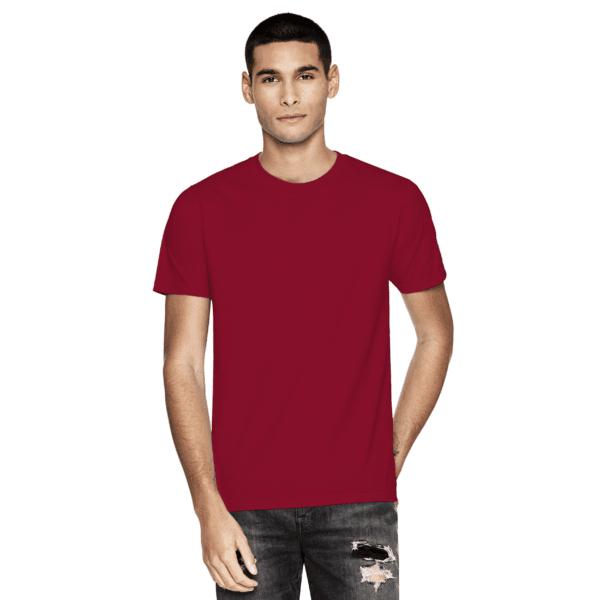
A classic Men’s Organic T-shirt (Classic Jersey) for everyday wear
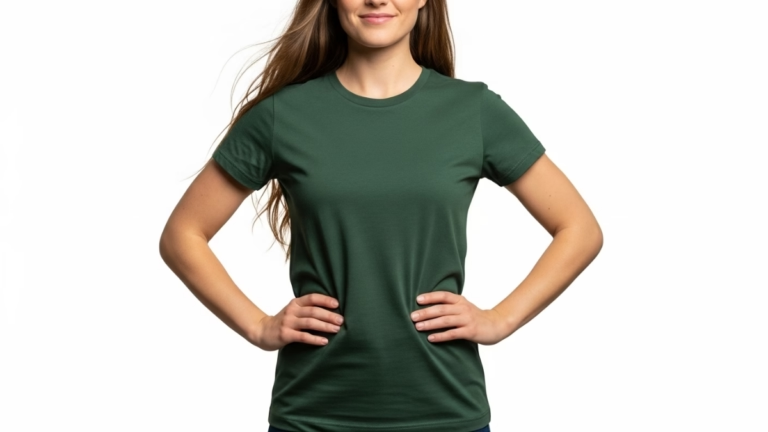
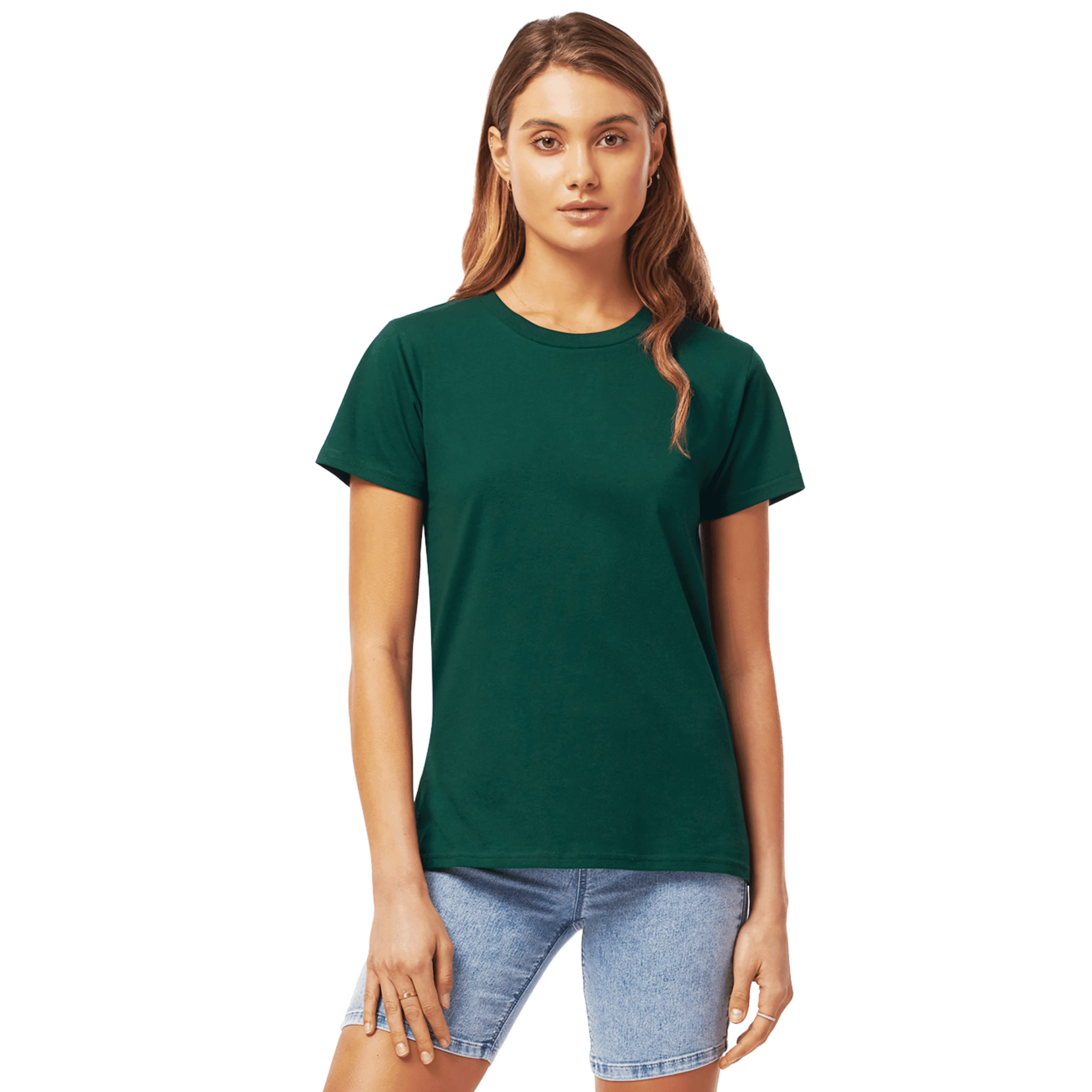
A Women’s Organic T-shirt (Rolled Sleeve) for comfortable style
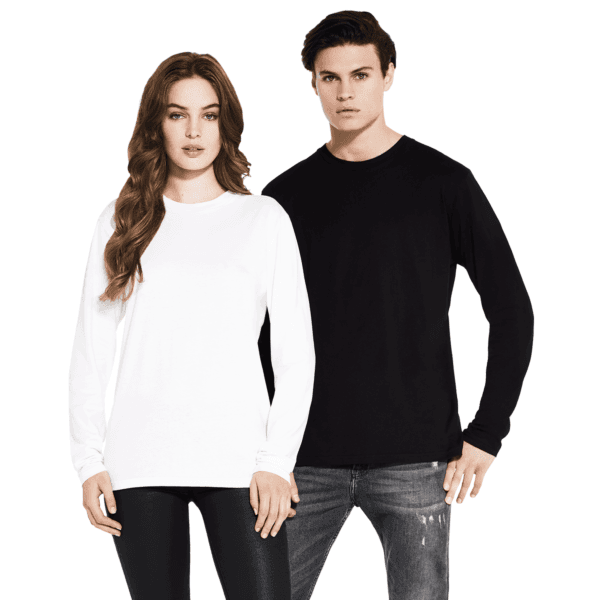
A Unisex Organic Long-sleeve T-shirt for cooler months and sun protection
- A pair of cosy Unisex Organic Sweatpants for evening warmth and morning exercise
These basics form the foundation of a sustainable wardrobe.
✨ For further inspiration, browse our full catalogue.
Step 2: Choose Timeless Over Trendy
Instead of chasing micro-trends, choose timeless cuts, neutral colours, and versatile pieces. This reduces the need to constantly buy new clothes and ensures your wardrobe lasts season after season.
Choosing timeless styles helps slow down fast fashion, which produces 92 million tonnes of textile waste annually (Earth.org).
Ask yourself: Will I wear this 30 times or more? If not, it may not deserve a place in your wardrobe. This simple question is at the heart of cost-per-wear thinking, which helps reduce waste while saving money long term.
Step 3: Explore Other Natural Fabrics
Beyond organic cotton, other natural fibres also play a role in sustainable wardrobes.
Linen – Made from the flax plant, linen is lightweight, strong, and biodegradable. It thrives in Australia’s hot climate and is rated highly sustainable by Good On You.
Hemp – Durable, naturally pest-resistant, and requires little water to grow. Hemp clothing softens over time and can last decades (Textile Exchange).
If you want the numbers on cotton’s environmental costs and how these other fibres compare, check The Environmental Impact of Cotton in Australia.
Choosing natural fibres over synthetics avoids microplastic pollution and improves end-of-life outcomes — a difference clearly seen when comparing organic cotton with polyester.
By 2028, Pandemonium Paradise aims to expand its range to include linen and hemp clothing, offering customers more durable, low-impact options alongside organic cotton. Sign up to receive notice when our new range drops!
Step 4: Care for Your Clothes
Caring for your clothes properly extends their life and reduces the need to replace them.
Wash in cold water to save energy and protect fibres — cold washing can cut energy use by up to 80% compared to hot washes (Energy.gov.au)
Line dry in the sun instead of using a dryer — this prevents up to 3kg of CO2 emissions per load (Sustainability Victoria).
Store clothing properly to avoid stretching and fading
Sewing on a button or repairing a hole using a simple “ladder stitch” can extend a garment’s life by years. Extending a garment’s life by just 9 months can reduce its carbon footprint by 20–30% (WRAP UK).
Step 5: Reuse, Recycle, Repurpose
When a garment reaches the end of its life, it doesn’t have to go to landfill.
Donate wearable clothes to charities or clothing swaps — platforms like Upparel and Salvos Stores make this simple.
Repurpose worn-out items into cleaning rags or DIY projects
Compost natural fibre clothing (like 100% organic cotton, linen, or hemp) at home or through textile composting programs — keeping it out of landfill and returning it safely to the earth (Australian Circular Textile Association).
Step 6: Support Ethical Brands
Every purchase is a vote. By choosing ethical apparel in Australia, you’re supporting businesses that care about workers’ rights, fair wages, and environmentally responsible production. Look for certification programs like Fairtrade International and B Corp.
At Pandemonium Paradise, we stock organic cotton clothing that is Fair Trade, Climate Neutral, and Vegan — proving that style and sustainability can go hand in hand.
To understand how organic cotton links directly to fairer supply chains, read How Organic Cotton Clothing Supports Ethical Apparel in Australia.
FAQs About Building a Sustainable Wardrobe
What is the most sustainable fabric for clothing?
Organic cotton, linen, and hemp are some of the most sustainable fabrics. They’re biodegradable, renewable, and have a lower environmental footprint compared to polyester or conventional cotton.
Is sustainable fashion more expensive?
While the upfront cost can be higher, sustainable clothing lasts longer and doesn’t need replacing as often, making it more cost-effective in the long run.
How can I start making my wardrobe more sustainable today?
Start small: invest in one or two organic cotton basics, wash your clothes responsibly, and donate or repurpose items you no longer wear.
Building Change, One Wardrobe at a Time
Creating a sustainable wardrobe in Australia is about more than fashion — it’s a lifestyle choice that reduces waste, supports ethical practices, and protects the planet. By starting with simple steps like choosing organic cotton, exploring natural fibres, and caring for your clothes, you’re part of a movement shaping a better future.
Change doesn’t start in the fashion industry — it starts in our wardrobes.
And every choice you make is stitching a better tomorrow.