

How Organic Cotton Clothing Supports Ethical Apparel in Australia

Why Organic Cotton Matters
Fast fashion has left behind a trail of toxic chemicals, water waste, and human exploitation. In Australia alone, we discard around 200,000 tonnes of clothing each year (Clean Up Australia). For a full exploration of fast fashion’s wider impacts — and why shifting matters — see The True Cost of Fast Fashion vs Sustainable Fashion in Australia.
Organic cotton offers a credible alternative: grown without harmful pesticides, using less water, and cultivated under systems that prioritise both farmer and environmental health.
This post explores how organic cotton is not just good for the planet, but also the backbone of ethical apparel in Australia.
What Makes Cotton “Organic”?
Unlike conventional cotton, which relies on synthetic pesticides and fertilisers, organic cotton is grown using methods that:
Protect soil health through crop rotation and natural composting (Soil Association).
Use significantly less water — up to 91% less water compared to conventional cotton (Water Footprint Network).
Avoid toxic chemicals that harm farmers and surrounding ecosystems.
These benefits become even more significant when organic cotton is compared to synthetic fibres like polyester, which rely on fossil fuels and shed microplastics throughout their lifespan.
By choosing organic cotton apparel, you’re directly supporting cleaner air, water, and farmland.
For a detailed comparison of conventional vs organic cotton (water, soil, carbon), read The Environmental Impact of Cotton in Australia.
The Link Between Organic Cotton and Ethical Apparel
Ethical apparel is about more than fabrics — it’s about how clothing is made, who makes it, and under what conditions.
Organic cotton supports ethical fashion in key ways:
Fair Trade practices: Organic cotton is often linked to certified supply chains that guarantee fair wages and safe working environments (Fairtrade International).
Environmental integrity: Reduced pesticide and water use lowers the garment’s overall footprint (Textile Exchange).
Transparency: Certifications like GOTS (Global Organic Textile Standard) track a product from farm to finished fabric, ensuring sustainability at every stage. For a clearer understanding on what ethical certifications mean when shopping sustainably, see our article What Fair Trade, Climate Neutral & Vegan Clothing Really Mean in Australia.
In short, organic cotton creates a foundation where ethical apparel in Australia can thrive — combining planet-positive farming with worker protections.
For the case that organic cotton really is the future of apparel, see Why Organic Cotton Clothing is the Future of Australian Fashion.
Organic Cotton in the Australian Market
Australians are becoming more conscious of where and how their clothes are made. According to the ABC’s War on Waste, a growing number of consumers are demanding transparency from brands.
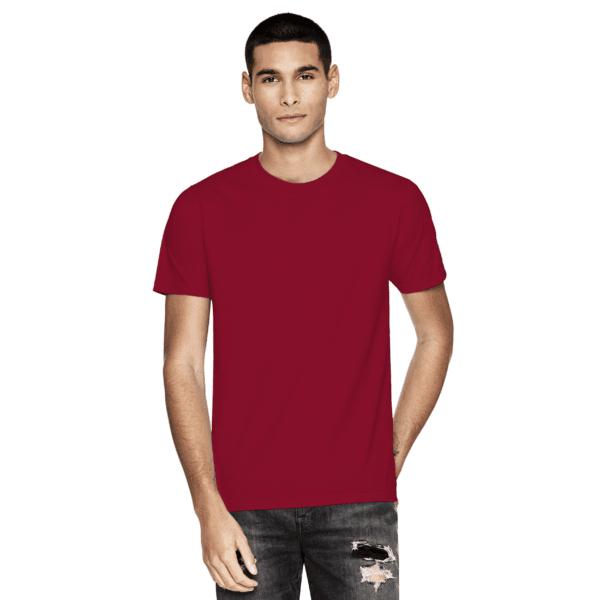
At Pandemonium Paradise, we’re proud to stock Earth Positive organic cotton clothing that is Fair Trade, Climate Neutral, and Vegan. This ensures every purchase supports a circular, responsible system.
FAQs About Organic Cotton & Ethical Apparel
Is organic cotton better for the environment?
Yes. Studies show organic cotton uses up to 62% less energy and 91% less water compared to conventional cotton (Soil Association).
Does organic cotton cost more?
Initially, yes — but the longer lifespan of organic cotton clothing makes it cost-effective in the long run. It also ensures your money supports better farming and working conditions.
When assessed through a cost-per-wear lens, organic cotton often proves more economical over time than cheaper, disposable alternatives.
Where can I buy organic cotton clothing in Australia?
Right here: Pandemonium Paradise’s organic clothing range.
Wear the Change You Want to See
Choosing organic cotton is more than a fabric decision — it’s a commitment to sustainability, fairness, and transparency.
Every purchase of organic cotton clothing in Australia contributes to a fashion system that values people and the planet equally.
Change isn’t just possible — it’s woven into every organic cotton thread we wear.