
The Environmental Impact of Cotton: Conventional vs Organic
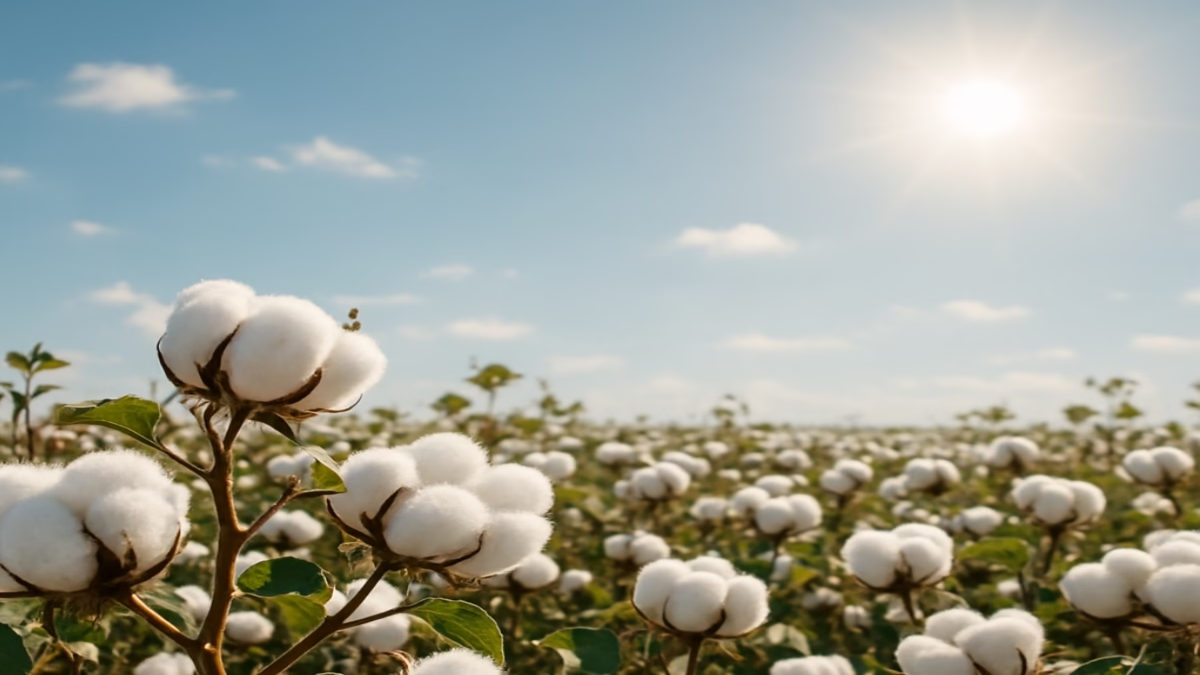
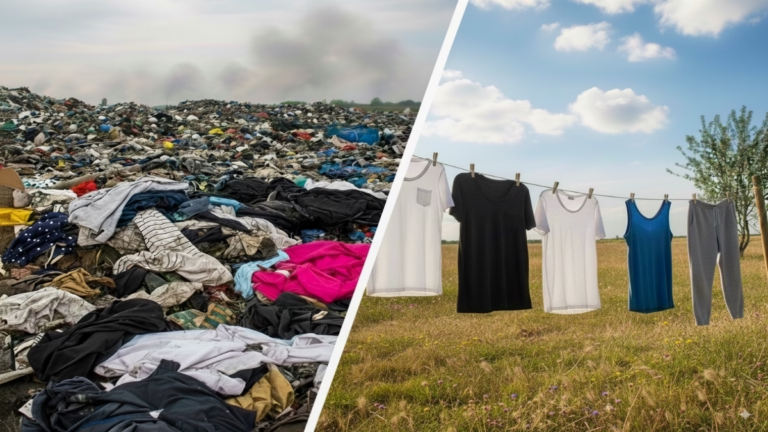
Cotton is one of the most widely used fibres in the world, but not all cotton is created equal. Conventional cotton farming is resource-heavy, polluting, and damaging to ecosystems. By contrast, organic cotton offers a more sustainable future for fashion — from water use to soil health to chemical reduction. For a clear look at why organic cotton is gaining momentum, read Why Organic Cotton Clothing is the Future of Australian Fashion. In this article, we’ll explore the environmental impact of conventional cotton vs organic cotton, and why choosing organic makes a real difference.
Why Cotton Matters in the Global Fashion Industry
Cotton accounts for around 25% of global fibre use and is a key material in everyday clothing. From t-shirts to denim, the choices made in cotton production ripple out across ecosystems, economies, and communities. According to the World Wildlife Fund, conventional cotton is among the most chemically intensive crops in the world, while organic cotton provides a cleaner, safer alternative.
This distinction becomes even clearer when cotton is compared directly with synthetic fibres like polyester, which introduce additional pollution and end-of-life challenges.
⚠️ The Environmental Impact of Conventional Cotton
Water Consumption
Conventional cotton is notorious for its excessive water use. Growing roughly one kilogram of cotton — enough for a typical T-shirt — can consume up to 10,000 litres of water, while practical garment-level estimates suggest around 2,700 litres per finished T-shirt (WWF). This staggering demand has contributed to ecological disasters such as the near-destruction of the Aral Sea, a once-thriving ecosystem drained by irrigation. If you want to see how these water and waste impacts tie into the bigger garment lifecycle, check The True Cost of Fast Fashion vs Sustainable Fashion in Australia.
Chemical Use
Conventional cotton farming relies heavily on synthetic pesticides and fertilisers. The Soil Association reports that although cotton covers just 2.5% of the world’s farmland, it accounts for 16% of all insecticides used globally. These chemicals pollute waterways, harm biodiversity, and create toxic working conditions.
Soil Degradation
Continuous monocropping of conventional cotton strips soil of nutrients and leads to erosion. Once soil quality declines, farmers must use even more chemicals to maintain yields — creating a destructive cycle that’s hard to break.
Carbon Emissions
Conventional cotton farming is also energy-intensive, with high greenhouse gas emissions from fertilisers and machinery. According to the Textile Exchange, conventional cotton emits roughly 2.1 tonnes of CO2e per tonne of fibre produced.
✔️ The Benefits of Organic Cotton
Water Savings
Organic cotton uses rain-fed irrigation and healthier soil practices to retain water. Studies by the Textile Exchange show that organic cotton uses up to 91% less water than conventional cotton.
No Toxic Chemicals
Organic farming standards prohibit the use of synthetic pesticides and fertilisers. This protects farmers, surrounding communities, and ecosystems from harmful exposure. The Global Organic Textile Standard (GOTS) ensures strict environmental criteria throughout the production process.
Soil Health
Organic cotton farming emphasises crop rotation and natural soil enrichment. This creates resilient farmland, improves biodiversity, and reduces erosion. Healthy soil also sequesters more carbon, helping fight climate change.
Lower Carbon Footprint
Because organic farming avoids synthetic fertilisers and pesticides, it emits significantly fewer greenhouse gases. Textile Exchange data shows organic cotton reduces carbon emissions by 46% compared to conventional cotton.
Environmental impact doesn’t stop at production. How long a garment lasts — and how often it needs replacing — plays a major role in its total footprint. Looking at clothing through a cost-per-wear lens helps connect environmental data with everyday purchasing decisions.
Building a Sustainable Wardrobe in Australia
Switching to organic cotton is one of the most effective ways Australians can reduce their fashion footprint. Everyday essentials like:
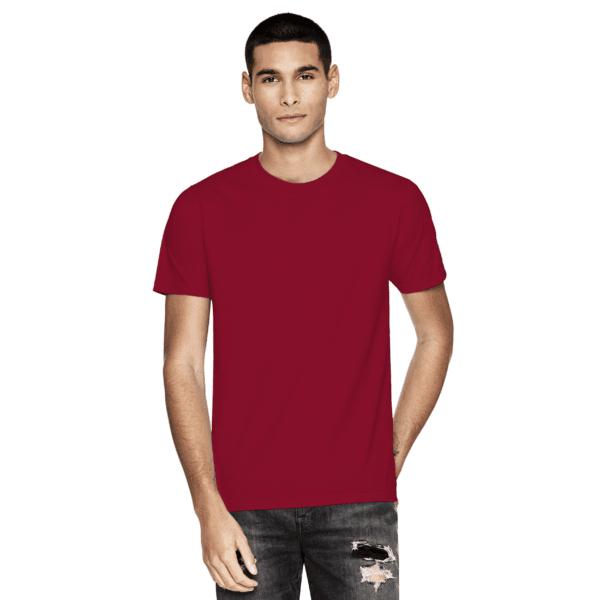
Men’s Organic T-shirt (Classic Jersey) for daily wear
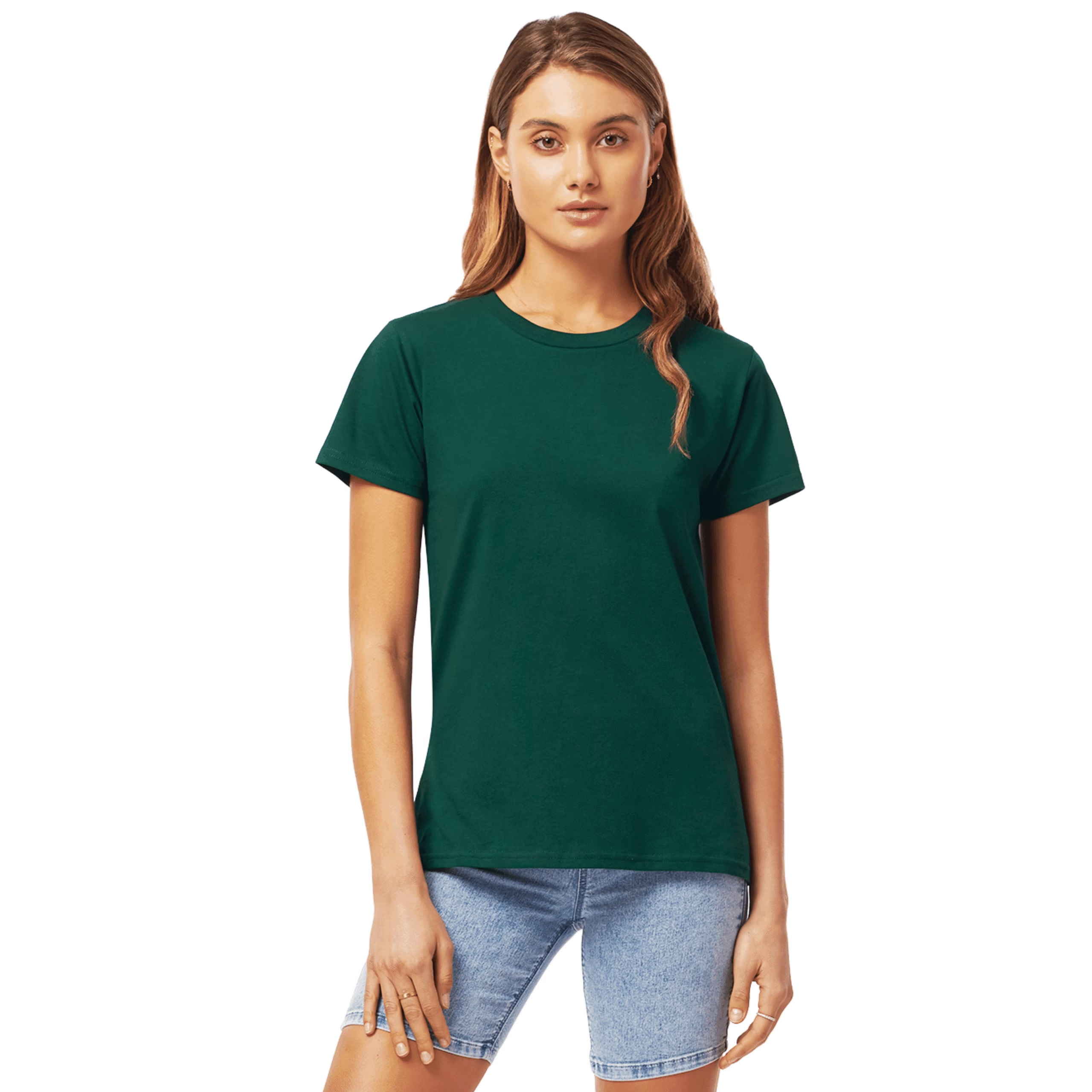
Women’s Organic T-shirt (Rolled Sleeve) for relaxed styling
Unisex Organic Long-sleeve T-shirt for cooler months and sun protection
- Unisex Sweatpants for cosy evenings and morning exercise
…all provide breathable, durable, and ethically made alternatives to conventional cotton clothing. For a practical plan on turning these choices into a full closet refresh, read How to Build a Sustainable Wardrobe in Australia.
Frequently Asked Questions
Is organic cotton really better for the environment?
Yes. Organic cotton uses far less water, avoids toxic chemicals, and supports healthier soil systems. It also reduces greenhouse gas emissions compared to conventional cotton.
Why is conventional cotton considered unsustainable?
Conventional cotton relies heavily on water, pesticides, and fertilisers, which degrade ecosystems and pollute waterways. Its large carbon footprint adds to the fashion industry’s climate impact.
Does organic cotton cost more?
Organic cotton may cost slightly more due to stricter farming and certification standards, but its durability makes it cost-effective long term. Here at Pandemonium Paradise our goal is to ensure organic essentials remain affordable and accessible for everyone.
Where can I buy organic cotton clothing in Australia?
At Pandemonium Paradise, we offer Fair Trade, climate-neutral, and vegan-certified organic cotton essentials shipped carbon neutral across Australia.
From Seed to Stitch
The environmental impact of conventional cotton is undeniable: water depletion, chemical pollution, soil degradation, and carbon emissions. By choosing organic cotton, Australians can support cleaner ecosystems, reduce waste, and wear clothing that reflects a sustainable future. Every purchase is a vote for the planet — and together, we can shift fashion toward a healthier balance.
The shift away from conventional cotton has begun — and together, we’re weaving a cleaner, greener future.